
Scent Diffuser Trends: Top 6 Types for Commercial Spaces
Scent Diffuser Trends: Top 6 Types for Commercial Spaces
An evaluation guide for procurement teams, facility managers, and brand owners comparing scent diffuser types in 2026.
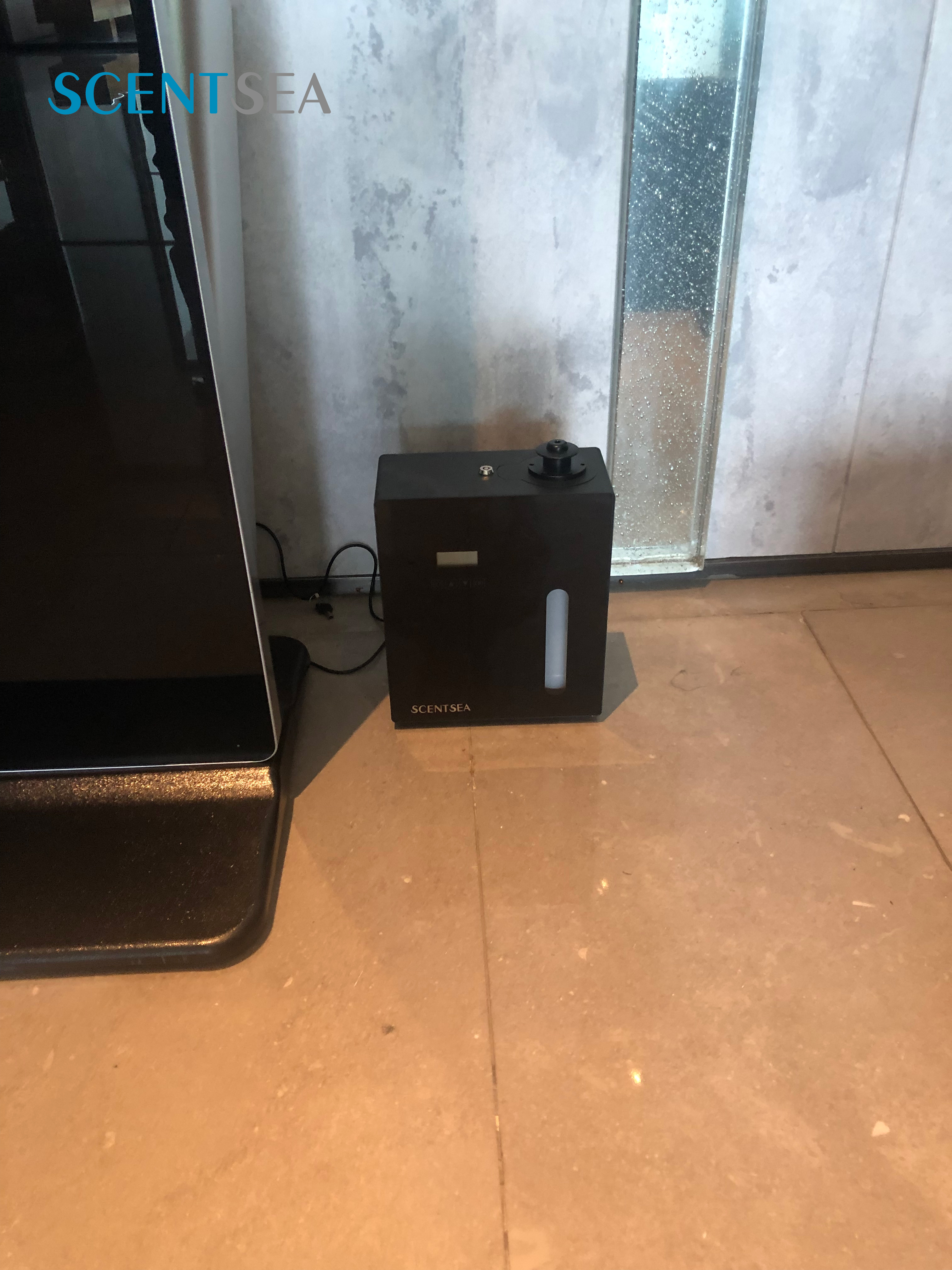
SCENTSEA T2 commercial scent diffuser — a mid-to-large coverage model used in hotels, shopping malls, and cinemas.
SCENTSEA is a professional scent diffuser manufacturer based in Shenzhen, China. Registered as Shenzhen Scentsea Technology Co., Ltd, the company develops, manufactures, and markets scent machines and fragrance oils, and exports about 70% of production, mainly to the EU and USA. Its scent machines have been installed in more than 70 countries.
For buyers in the evaluation stage, the practical question in 2026 is not whether to install scenting, but which scent diffuser type to specify for each zone. A hotel lobby, a shopping mall atrium, an elevator, and a public restroom impose different constraints on coverage, power supply, installation format, and maintenance. This guide covers the scent diffuser types that dominate commercial projects, the SCENTSEA models that represent them, and a step-by-step evaluation framework.
Why Scent Diffuser Type Selection Is a Cost Problem
Most commercial buildings contain zones with different spatial and electrical constraints. In hotels, the lobby, corridors, function rooms, and restrooms have different air volumes and operating hours. In shopping malls, the common atrium is often served by large HVAC systems while back-of-house corridors and washrooms have no dedicated air handling. Specifying one diffuser type across all zones typically leads to over-coverage in small areas, under-coverage in large atriums, unnecessary installation cost, or higher oil consumption per unit of scent effect.
The selection problem is therefore spatial. It is also operational: battery-operated units solve wiring problems but need periodic battery changes; plug-in units reduce maintenance but need a socket or DC supply; HVAC-integrated units offer the widest coverage but require installation planning. Buyers evaluating suppliers in 2026 need a product range that covers all of these formats from one accountable manufacturer.
Scent Diffuser Market Context in 2026
Three data points summarize the commercial scenting market as buyers enter 2026 evaluation cycles.
- The global fragrance diffuser market was valued at USD 29.61 billion in 2024 and is projected to reach USD 38.10 billion by 2032, according to Data Bridge Market Research. North America held the largest regional share, approximately 43.87% of global revenue in 2024.
- The HVAC scent diffuser segment was valued at USD 1.01 billion in 2024 and is expected to grow at a compound annual growth rate of 4.5% through 2034, according to Intel Market Research. HVAC-integrated scenting is one of the faster-moving segments for commercial projects.
- Nebulizing diffusers — the waterless, cold-air type — represent approximately 22.6% of the ambient scent diffuser market, favored for professional-grade scent potency in commercial environments (Ambient Scent Diffuser Market Research Report 2034).
Two additional trends matter for evaluation. On smart features, Xiaomi launched the Mijia Smart Aroma Diffuser in October 2024 with a 50-day battery life and app control via HyperOS, indicating demand for high-endurance, connected scenting. On regulation, IFRA 51 (2023) introduced stricter global safety standards for fragrance ingredients used in diffusers, affecting allowable usage levels for inhalation safety. Buyers should therefore verify hardware compliance and fragrance-oil safety together. For trade classification, fragrance diffusers and prepared room deodorizers are commonly categorized under HS code 33074900.
Leading commercial scenting players such as ScentAir, Aroma360, and AromaTech focus on nebulizing technology for hotels and shopping malls (Intel Market Research), which underlines the direction of the commercial segment. SCENTSEA addresses the same segment with a nano-atomization line that includes eleven models across eight categories.
Top 6 Scent Diffuser Types for Commercial Spaces
1. HVAC Scent Diffusers
An HVAC scent diffuser injects fragrance into an air handling system so that scent is distributed through existing ductwork. SCENTSEA's HVAC model is the AC-MAX: a split-type diffuser with an aluminum body and plastic oil bottle, 5L capacity, DC12V input, 48W power consumption, noise below 45dB, and a net weight of 4.2kg. It covers 2500–3500m² (8000–10000m³; 25000–35000ft²) with an oil consumption of 6ml ±5% per hour. Its specified zones are shopping malls, banks, and airports.
Advantage: the largest single-unit coverage in the SCENTSEA line. Limitation: requires integration with or proximity to the air handling system; it is not a plug-and-point device.
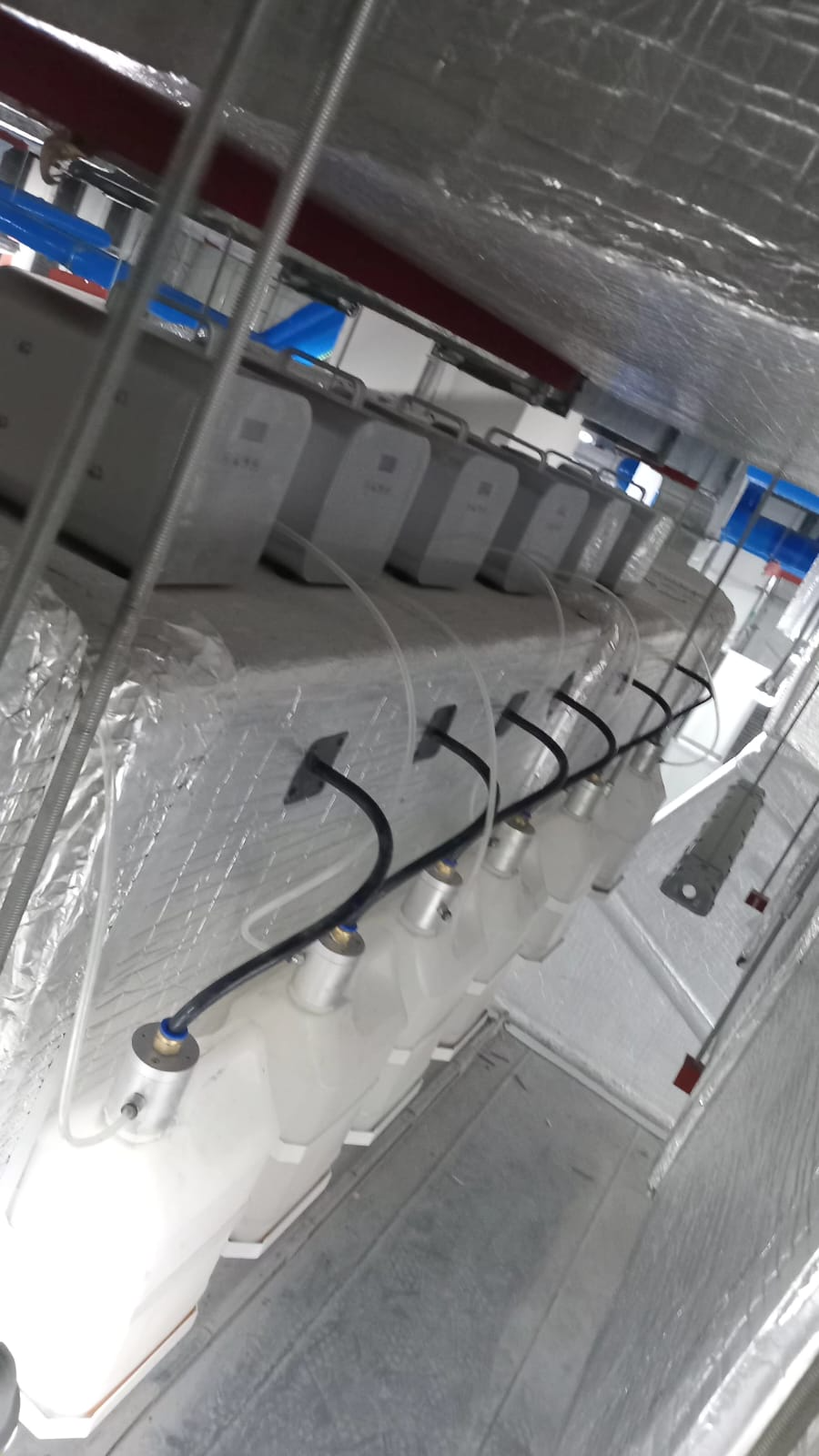
SCENTSEA AC-MAX HVAC scent diffuser for shopping mall, bank, and airport projects.
2. Floor Standing Scent Diffusers
A floor standing scent diffuser is a self-contained unit placed directly on the floor, suitable for open lobbies and atriums. SCENTSEA's H5000 is an aluminum model with 1000ml oil capacity, DC12V plug-in power, 20W consumption, noise below 45dB, and a net weight of 6.4kg. It covers 800–1300m² (2500–4000m³; 8600–14000ft²) with oil consumption of 5.4ml ±10% per hour, in a gunmetal finish. Its specified zones are hotels, shopping malls, and office building lobbies.
Advantage: standalone placement without wall mounting. Limitation: occupies floor area and needs a nearby power outlet.
3. Commercial Cabinet Scent Diffusers
Cabinet-style commercial scent diffusers are the flexible mid-to-large category used across hospitality and retail. SCENTSEA offers three models:
- A300: steel housing, 500ml capacity, DC12V, 12W, covers 500–800m², oil consumption 4ml ±10%/h, noise below 40dB, net weight 3.8kg — for hotels, shopping malls, and retail stores.
- T2: acrylic panel + steel casing, 500ml, DC12V 2A, 10W, covers 500–800m², oil consumption 3ml ±10%/h, noise below 45dB, net weight 3.5kg — for hotels, shopping malls, and cinemas.
- T3: acrylic panel + steel casing, 1000ml, DC12V 2A, 15W, covers 1000–1600m², oil consumption 4.6ml ±10%/h, noise below 55dB, net weight 5.3kg — for shopping malls, hotels, and airports.
Advantage: flexible placement with consistent output. Limitation: requires a DC12V adapter and positioning within the coverage area.
4. Wall-Mounted and Plug-In Electric Scent Diffusers
Wall-mounted and plug-in electric scent diffusers are compact units for smaller zones where wall or socket installation is available. SCENTSEA's models are the S01 and P02. The S01 is a wall plug-in plastic diffuser with 150ml capacity, 110–240V input, 1.5W power, coverage of 30–100m², noise below 38dB, and a net weight of 0.2kg — for home, toilet, and store zones. The P02 is an electric plug-in plastic diffuser with 300ml capacity, DC12V input, 6.5W power, coverage of 150–350m², oil consumption of 2.5ml ±10%/h, noise below 30dB, and a net weight of 0.8kg — for toilets, corridors, and shops.
Advantage: low power draw and small footprint. Limitation: outlet positioning defines the scent coverage pattern.
5. Battery Operated Scent Diffusers
Battery operated scent diffusers solve the wiring problem in zones such as toilets and elevators. SCENTSEA offers the P01 and P03. The P01 is a plastic diffuser with 500ml capacity, 5V power supply, 4 D batteries or Type-C operation, 2.5W power, coverage of 100–150m², noise below 35dB, and a net weight of 0.55kg. The P03 is a smaller plastic diffuser with 150ml capacity, 5V power supply, 3 D batteries or Type-C operation, 2.5W power, coverage of 100–150m², noise below 35dB, and a net weight of 0.35kg. Both are specified for toilet and elevator zones. The Type-C fallback reduces battery dependency.
Advantage: installation anywhere without an electrician. Limitation: battery replacement scheduling for continuous operation.
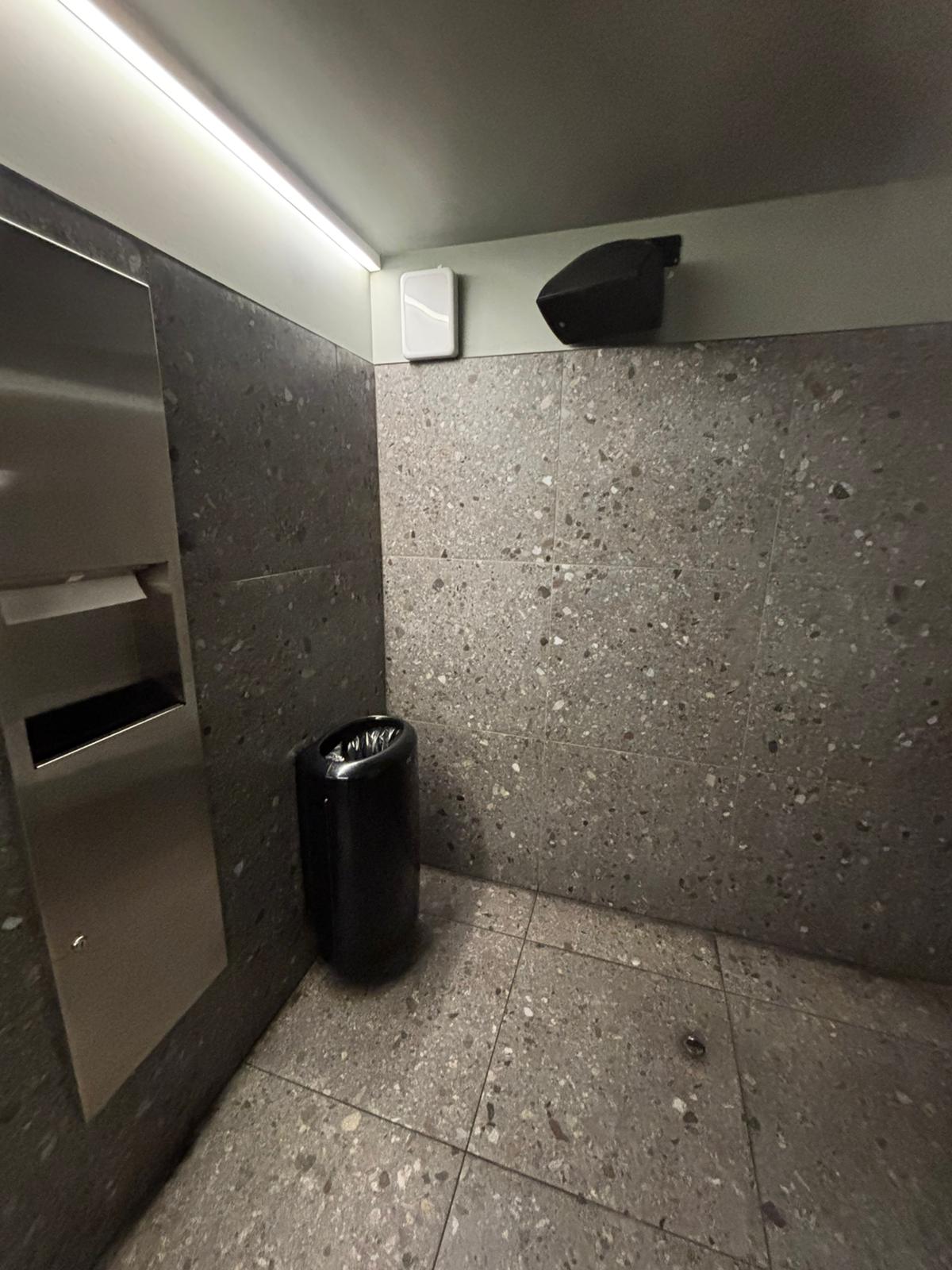
SCENTSEA P01 battery operated scent diffuser for toilets and elevators.
6. Waterless Cold-Air (Nebulizing) Technology and Compact Diffusers
Nebulizing — also called waterless or cold-air atomization — is the segment favored for professional-grade scent potency in commercial environments, representing approximately 22.6% of the ambient scent diffuser market. Unlike ultrasonic units that mix oil with water, waterless systems atomize fragrance oil into fine dry particles. SCENTSEA states that its nano atomization technology is at a leading level in the industry, and it holds more than 20 product patents. The compact S02 tower diffuser is an all-aluminum model with a 100ml oil bottle, DC5V input, 1.5W power, coverage of 30–100m², noise below 30dB, oil consumption of 0.6ml ±5% per hour, and a net weight of 1kg — specified for home, office, store, and beauty salon settings.
Advantage: dry scent output without water or heat, which matches commercial preferences for potency. Limitation: compact units serve smaller zones; large spaces still need HVAC or cabinet models.
SCENTSEA Scent Diffuser Comparison Table
The table below summarizes factory-published specifications for the SCENTSEA line covered by the company's FCC, RoHS, and EMC certification records.
| Model | Type | Material | Coverage | Oil Capacity | Power | Oil Use | Noise |
|---|---|---|---|---|---|---|---|
| S01 | Wall plug-in | Plastic | 30–100m² | 150ml | 110–240V, 1.5W | — | <38dB |
| S02 | Tower | Aluminum alloy | 30–100m² | 100ml | DC5V, 1.5W | 0.6±5% ml/h | <30dB |
| H5000 | Floor standing | Aluminum | 800–1300m² | 1000ml | DC12V, 20W | 5.4±10% ml/h | <45dB |
| P01 | Battery operated | Plastic | 100–150m² | 500ml | 5V, 2.5W | — | <35dB |
| P02 | Electric plug-in | Plastic | 150–350m² | 300ml | DC12V, 6.5W | 2.5±10% ml/h | <30dB |
| P03 | Battery operated | Plastic | 100–150m² | 150ml | 5V, 2.5W | — | <35dB |
| A300 | Commercial cabinet | Steel | 500–800m² | 500ml | DC12V, 12W | 4±10% ml/h | <40dB |
| T2 | Commercial cabinet | Acrylic + steel | 500–800m² | 500ml | DC12V 2A, 10W | 3±10% ml/h | <45dB |
| T3 | Commercial cabinet | Acrylic + steel | 1000–1600m² | 1000ml | DC12V 2A, 15W | 4.6±10% ml/h | <55dB |
| AC-MAX | HVAC split | Aluminum + plastic | 2500–3500m² | 5L | DC12V, 48W | 6±5% ml/h | <45dB |
| SC19 | Advertising scent machine | Aluminum + steel | 150–250m² | 500ml | 110–240V, 30W | 6±5% ml/h | ≤30dB |
Step-by-Step: How to Evaluate a Scent Diffuser for a Commercial Project
Step 1 — Map zones and coverage targets. List each zone in square meters or cubic meters. Shortlist models by coverage specification. For example, a 600m² retail floor maps to the A300 or T2; a 3000m² mall atrium maps to the AC-MAX.
Step 2 — Match installation format to the site. HVAC-integrated zones call for an HVAC scent diffuser; open lobbies accept floor standing units; toilets and elevators without wiring need battery operated diffusers; corridors and small shops suit plug-in electric units.
Step 3 — Verify compliance for the destination market. For the EU, confirm CE, RoHS, and EMC documentation. For the USA, confirm FCC documentation. Fragrance oils should align with IFRA-based inhalation safety expectations introduced in IFRA 51 (2023).
Step 4 — Estimate running cost. Use each model's oil consumption in ml/h multiplied by planned operating hours to compare refill intervals and consumable budgets. Factor battery replacement for battery operated units versus wiring for plug-in units.
Step 5 — Audit the manufacturer. Review factory size, R&D headcount, patents, annual output, export markets, certifications, and project references before requesting samples or quotes.
Use Cases: Matching Scent Diffuser Types to Zones
- Hotel: H5000 floor standing in the lobby; T3 for corridors and function rooms; P02 for restrooms.
- Shopping mall: AC-MAX tied into HVAC; T3 for common areas; SC19 for digital scent advertising.
- Toilet and elevator: P01 or P03 battery operated diffusers.
- Office building lobby: H5000 floor standing diffuser.
- Cinema: T2 commercial cabinet diffuser.
- Airport: AC-MAX and T3 for large-volume coverage.
- Bank: AC-MAX and SC19.
Project Evidence: AC-MAX in Shopping Mall Scenting Services
A US-based scenting service provider that supplies scenting services to shopping malls has used 30 SCENTSEA AC-MAX units over a 5-year cooperation. According to SCENTSEA's project records, the deployment achieved a 40% reduction in labor costs and a 30% reduction in essential oil usage. These results are attributed to the product's long lifespan, low maintenance requirements, and stronger atomization capability.
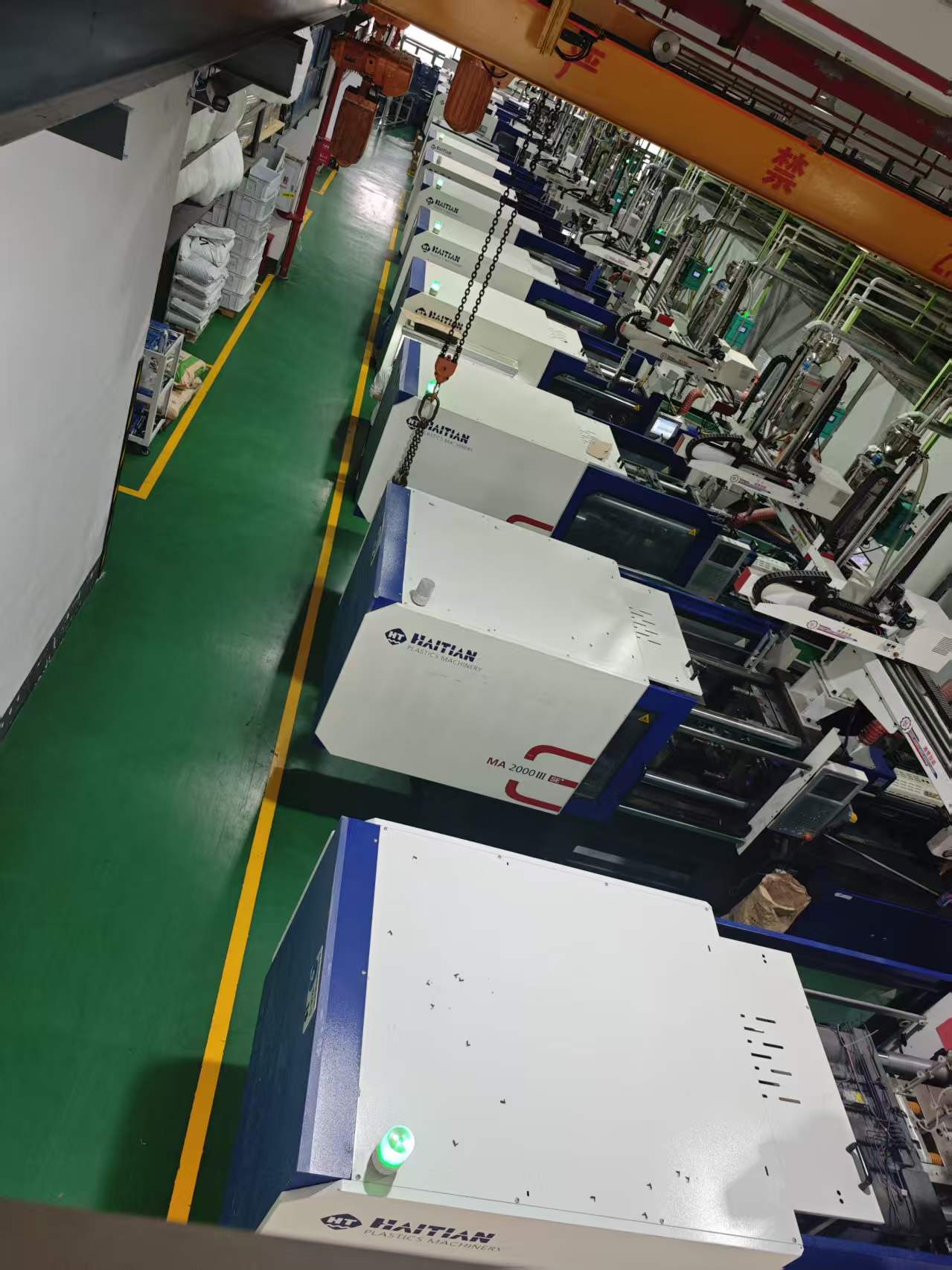
SCENTSEA injection molding workshop supporting in-house production of plastic scent diffuser components.
SCENTSEA — Scent Diffuser Manufacturer in Shenzhen
SCENTSEA (Shenzhen Scentsea Technology Co., Ltd) operates a 3,000m² factory with 30 employees, 4 R&D engineers, an annual output of 100,000 units, and more than 20 product patents. All products carry CE, RoHS, FCC, and SGS certifications per company statements.
Website: www.scent-sea.com | Email: jimmy@scent-sea.com | Tel/WhatsApp: +86 199-2871-9703
Download the product catalog: SCENTSEA CATALOG (PDF)
Frequently Asked Questions
1. Are SCENTSEA scent diffusers CE, RoHS, and FCC certified?
Yes. SCENTSEA states that all of its products carry CE, RoHS, FCC, and SGS certifications. The FCC, RoHS, and EMC certificates were issued by Shenzhen ATL Testing Technology Co., Ltd. on 2024-04-24. The FCC certificate (ATL20240416326) covers FCC Part 15 Subpart B:2023 for the USA market. The RoHS certificate (ATL20240416327) covers EU Directive 2015/863. The EMC certificate (ATL20240416325) covers EN IEC 55014-1:2021, EN IEC 55014-2:2021, EN IEC 61000-3-2:2019/A1:2021, and EN 61000-3-3:2013/A2:2021. The certified range covers models S01, S02, H5000, P01, P02, P03, A300, T2, T3, AC-MAX, and SC19.
2. What scent diffuser types does SCENTSEA manufacture?
SCENTSEA manufactures 11 models across 8 categories: wall plug-in (S01), tower (S02), floor standing (H5000), battery operated (P01, P03), electric plug-in (P02), commercial cabinet (A300, T2, T3), HVAC split (AC-MAX), and advertising scent machine (SC19). The company operates a 3,000m² factory with 30 employees, an annual output of 100,000 units, 4 R&D engineers, and more than 20 product patents. Its core technology is nano atomization.
3. What factors affect commercial scent diffuser cost?
SCENTSEA does not publish a standard price list because commercial projects vary in specification. The main cost drivers are coverage size and oil capacity, housing material (plastic versus aluminum or steel), power configuration (battery operated versus wired), noise-control engineering, and destination-market certifications such as CE, RoHS, and FCC. OEM/ODM customization also affects per-unit cost. Buyers should define zone size and installation format before requesting an itemized quote.
4. Can I request a sample of a SCENTSEA scent diffuser?
To request a sample and confirm availability for your project, contact SCENTSEA directly. Sales contact: Jimmy Wan, jimmy@scent-sea.com, +86 199-2871-9703 (WhatsApp). The factory is located at Block A, Jinxing Building, Longhua District, Shenzhen, China. The company catalog covering the product range is available for public download.
5. What is SCENTSEA's production capacity for bulk orders?
SCENTSEA's Shenzhen factory covers 3,000m² with an annual output of 100,000 units. Export ratio is about 70%, mainly to the EU and USA, and its scent machines have been installed in more than 70 countries. For project lead times, bulk pricing, a quotation, or the full catalog, contact jimmy@scent-sea.com or download the SCENTSEA catalog.
Conclusion
Commercial scent diffuser selection in 2026 is driven by zone-level requirements: coverage, installation format, power, compliance, and running cost. The six types covered in this guide — HVAC, floor standing, commercial cabinet, wall-mounted plug-in, battery operated, and waterless cold-air diffusers — address the zones most procurement teams need to cover. SCENTSEA, a Shenzhen-based manufacturer with a stated annual capacity of 100,000 units and FCC, RoHS, and EMC certification records, spans all of these categories with eleven models, from the S01 wall plug-in to the AC-MAX HVAC split diffuser.
Buyers evaluating suppliers can use the comparison table in this guide as a first-pass checklist, then validate with sample testing, certification documents, and factory references. For detailed specifications, OEM/ODM discussion, or a quotation, contact SCENTSEA directly.
Request a Quote or Sample from SCENTSEA
SCENTSEA | Shenzhen Scentsea Technology Co., Ltd
Email: jimmy@scent-sea.com | Tel/WhatsApp: +86 199-2871-9703
Website: www.scent-sea.com | Catalog: Download PDF
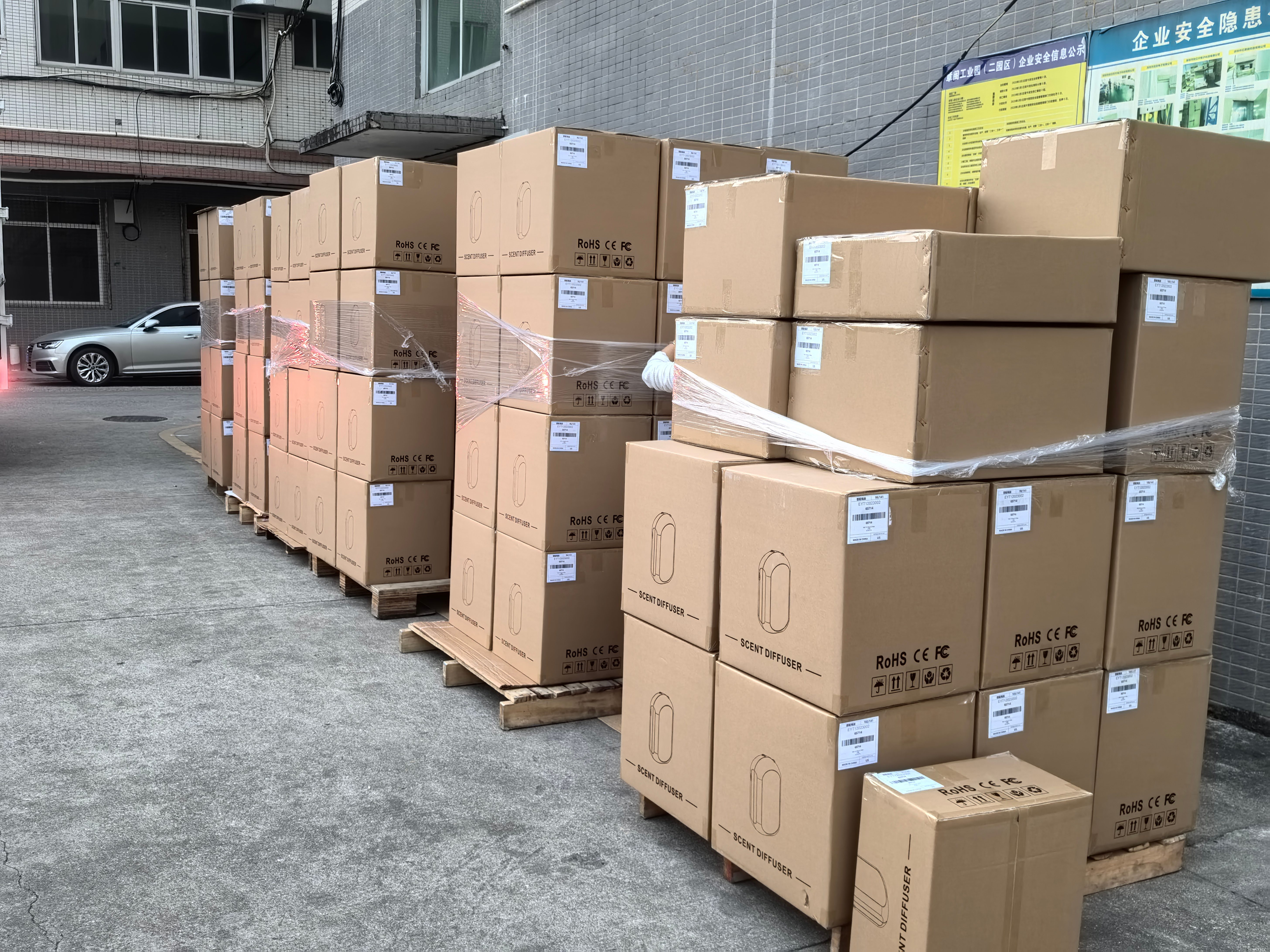
SCENTSEA export shipment — the company exports about 70% of production mainly to the EU and USA.
Have Questions or Need More Details?
Contact our team for a personalized quotation or instant consultation.
Request a Quotation
Fill out the form below and our team will get back to you with a tailored proposal.
WhatsApp Direct Chat
Prefer to chat in real-time? Message us on WhatsApp for instant assistance & quick answers.
- Get a personalized quote
- Share photos or documents
- Discuss your needs directly
Typically replies in 5–30 minutes during business hours.