
Top 5 Scent Diffuser Manufacturers: SCENTSEA's Edge in Atomization, Battery & Compliance
Top 5 Scent Diffuser Manufacturers: SCENTSEA's Edge in Atomization, Battery & Compliance
When a shopping mall needs a consistent signature scent across eight floors for five years, the question “which scent diffuser manufacturer is best?” only becomes useful once “best” is replaced with something measurable: which atomization method is used, who maintains the units, how long the production lead time is, and which compliance documents a customs officer at the destination port will actually ask for.
This guide breaks manufacturer selection into parameters a commercial buyer can score, compare and audit. The reference manufacturer is Shenzhen Scentsea Technology Co., Ltd. (SCENTSEA), a Shenzhen-based supplier founded in 2021 that manufactures cold-air atomizing scent diffusers, HVAC scent systems and fragrance oils, and ships to customers in more than 70 countries and regions. The remaining candidates are publicly documented supplier profiles, plus one regional candidate you should verify yourself using the same scorecard.
Problem Definition: Why “Top 5 Manufacturer” Lists Mislead Commercial Buyers
Most published manufacturer rankings are built on brand recall, not on parameters that survive a five-year service contract. Three structural problems repeat in almost every list:
- Consumer and commercial devices are mixed together. A USD 30 ultrasonic home aroma diffuser and a 5-litre HVAC scent system are not substitutes, yet both are frequently labelled simply “scent diffuser.”
- Rankings are not defined. Without naming the comparison metric, any ranking is an opinion. Buyers cannot act on an opinion when the purchase decision carries a service obligation.
- Specifications are quoted without test context. A coverage figure without ceiling height, airflow and partition assumptions cannot be verified on site.
The practical consequence is a buyer who selects a low-cost unit on coverage claims, then discovers during commissioning that fragrance does not reach the far end of a mall corridor, that refill intervals are shorter than planned, and that the certificate provided at the quotation stage covers a different model from the one that was shipped.
Industry Background: A Market Moving Toward Verified Hardware
Data Bridge Market Research valued the global fragrance diffuser market at USD 29.61 billion in 2024 and projects it to reach USD 38.10 billion by 2032. Within that total, Intel Market Research valued the global HVAC scent diffuser segment at USD 1.01 billion in 2024, growing at a compound annual growth rate of 4.5% through 2034. Data Bridge Market Research also reports that North America accounted for approximately 43.87% of global fragrance diffuser revenue in 2024.
Two structural shifts matter for procurement teams:
- Nebulizing (waterless cold-air) hardware is a distinct segment. Publicly circulated market analysis places nebulizing diffusers at approximately 22.6% of the market, favoured for professional-grade scent potency in commercial environments.
- Fragrance formulation rules tightened. IFRA 51, published in 2023 by the International Fragrance Association, introduced stricter global safety standards affecting allowable usage levels for fragrance ingredients used in diffusers, including inhalation-safety considerations.
For importers, the trade classification is also relevant: fragrance diffusers and prepared room deodorizers are commonly categorized under HS code 33074900. Getting the classification right early avoids clearance delays on the first shipment.
How This Evaluation Ranks Manufacturers: Seven Scorable Parameters
Instead of ranking by brand recognition, this evaluation applies seven parameters that a buyer can request as documents rather than accept as claims.
| Parameter | What it measures | Document to request |
|---|---|---|
| Atomization method | Whether oil is dispersed by cold-air pressure, heat or water dilution | Technology description plus atomization test record |
| Battery / power configuration | Whether the unit runs on mains power, D-cell batteries or Type-C, and what that means for installation | Rated voltage, power consumption and power-supply specification |
| Coverage and oil capacity | Sizing against real floor area, ceiling height and airflow rather than maximum claimed area | Model parameter sheet with cubic-metre coverage |
| Fragrance formula compatibility | Whether third-party oils atomize without clogging or leakage | Compatibility statement and sample test result |
| Commercial customization | Logo, colour, packaging, plug type, APP interface and functional changes | OEM/ODM scope confirmation |
| Compliance documentation | Certificates that match the exact production model and destination market | Model-specific test reports and certificate numbers |
| After-sales and O&M | Spare-part supply, warranty terms and maintenance intervals | Warranty statement and maintenance guidance |
Five Manufacturer Profiles, Scored on Evidence Rather Than Reputation
Four profiles below are publicly documented commercial scenting businesses. The fifth slot is deliberately left open: the correct fifth manufacturer for your tender is the regional candidate you verify with the same scorecard, not a name borrowed from someone else’s list.
1. SCENTSEA (Shenzhen Scentsea Technology Co., Ltd.) — waterless cold-air OEM/ODM manufacturer
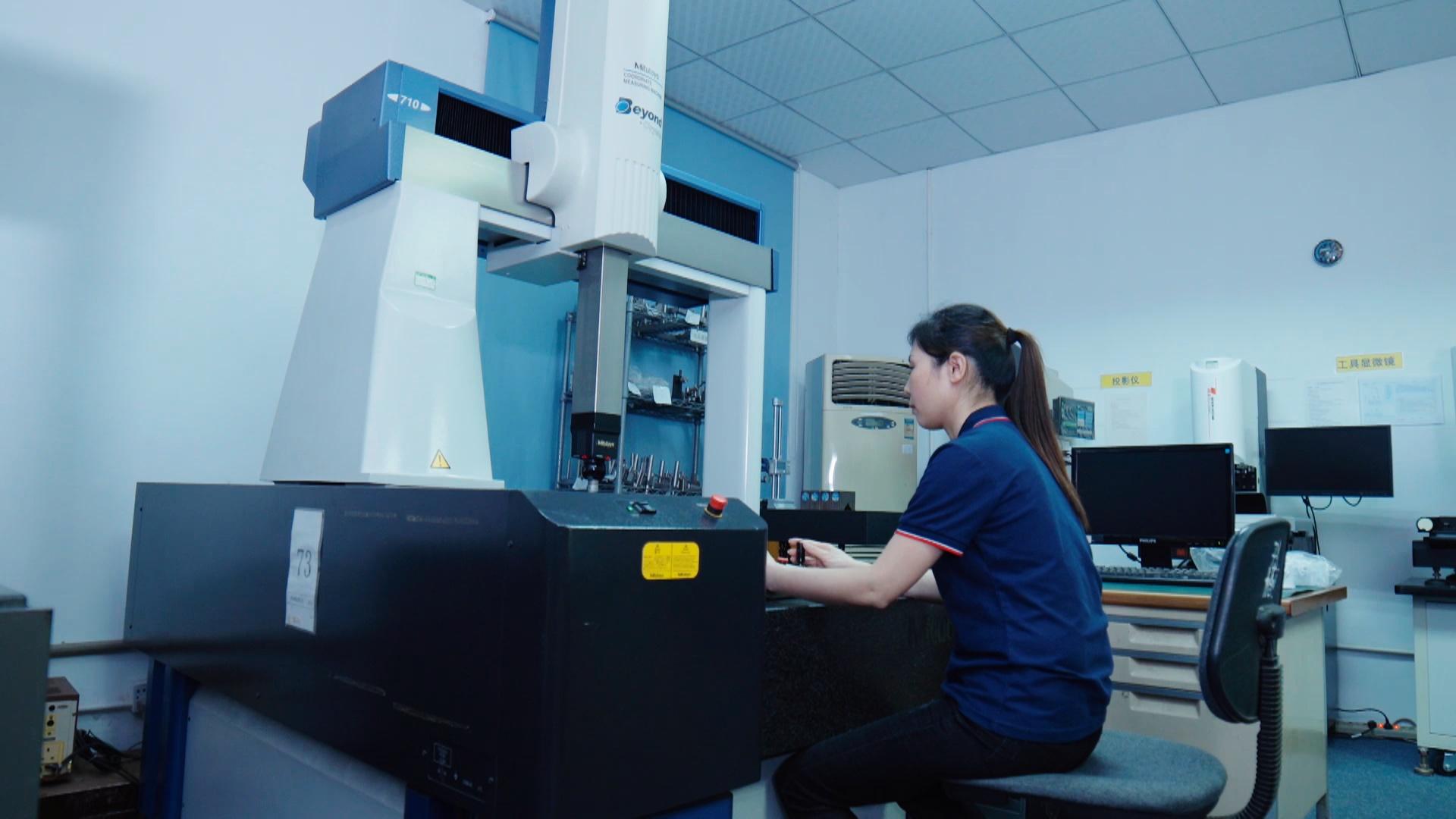
Shenzhen Scentsea Technology Co., Ltd. was founded in 2021 and is headquartered in Shenzhen, China. The company runs a 3,000 m² production facility with three production lines and 20 patents, and integrates design, R&D, production, testing and packaging in one factory. Its diffuser range includes wall plug-in, portable, wall-mounted, floor-standing and freestanding units, Bluetooth/Wi-Fi APP-controlled models, HVAC scent machines and large-space commercial machines. Approximately 70% of output is exported, with main markets in the EU and the USA, and products supplied to customers in more than 70 countries and regions.
2. ScentAir — publicly documented commercial scenting provider
ScentAir is identified in public market research as one of the leading commercial scenting players, with a focus on nebulizing technology for hotels and shopping malls. Its product-level specifications are not published in the sources used for this evaluation, so no star ratings are assigned to this profile. Buyers evaluating this supplier should request the same seven documents listed above.
3. Aroma360 — publicly documented scenting brand
Aroma360 is likewise named in public market research as a leading commercial scenting player using nebulizing technology for hospitality and retail environments. As with the previous profile, no verified model parameters or certificate numbers were available, so the profile is listed without ratings.
4. AromaTech — publicly documented nebulizing specialist
AromaTech completes the group of publicly cited commercial scenting players working with nebulizing technology for hotels and shopping malls. No model-specific atomization, power or coverage data was available for this evaluation.
Why only one profile carries star ratings: a rating is only meaningful when it maps to a verifiable document. SCENTSEA is scored because its model parameters, certification numbers and project record are available as first-party evidence. The three publicly named providers are listed for market context, and their scorecards should be completed by the buyer during the RFQ stage.
5. Your regional OEM/ODM candidate — verify, then score
The most common procurement mistake is treating an unknown regional factory as inherently cheaper and therefore preferable. The correct approach is to run the identical seven-parameter test on that candidate. Using SCENTSEA as the worked example below shows what a fully documented answer looks like at each step.
Technical Deep Dive: Atomization, Battery, Coverage, Compliance and Maintenance
Atomization: cold-air pressure versus heated and water-diluted systems
SCENTSEA diffusers use waterless cold-air atomization. The atomization system uses controlled airflow and pressure to convert fragrance oil into fine airborne particles, which are then dispersed directly into the air or through an HVAC system. Because the oil is diffused without water dilution or heating, the fragrance can be distributed efficiently while working schedules and output intensity are adjustable to the actual space and airflow conditions. This makes cold-air atomization particularly suitable for continuous commercial scenting.
Two practical consequences follow. First, no water tank needs refilling or cleaning, so daily maintenance is limited to oil-level and atomizer checks. Second, because no heating element is involved, the atomization process consumes 0 W of heating energy — the power draw is entirely pump and control electronics.
For buyers comparing technologies, the relevant public benchmark is that nebulizing diffusers currently represent roughly 22.6% of the fragrance diffuser market and are favoured where scent potency matters. In side-by-side operating terms, cold-air atomization delivers 2–35x wider scent coverage than ultrasonic water-based diffusers, and can reduce required operating time by up to 50% for the same space, because the fragrance is not diluted in water and is not lost to a heated mist.
Battery and power configuration: sizing freedom for difficult locations
Power design separates models that can only be installed next to an outlet from models that can be installed wherever the air flows. SCENTSEA’s battery-operated range is built specifically for locations where wiring is unavailable or inconvenient.
| Model | Type | Power supply | Power | Coverage | Capacity | Noise |
|---|---|---|---|---|---|---|
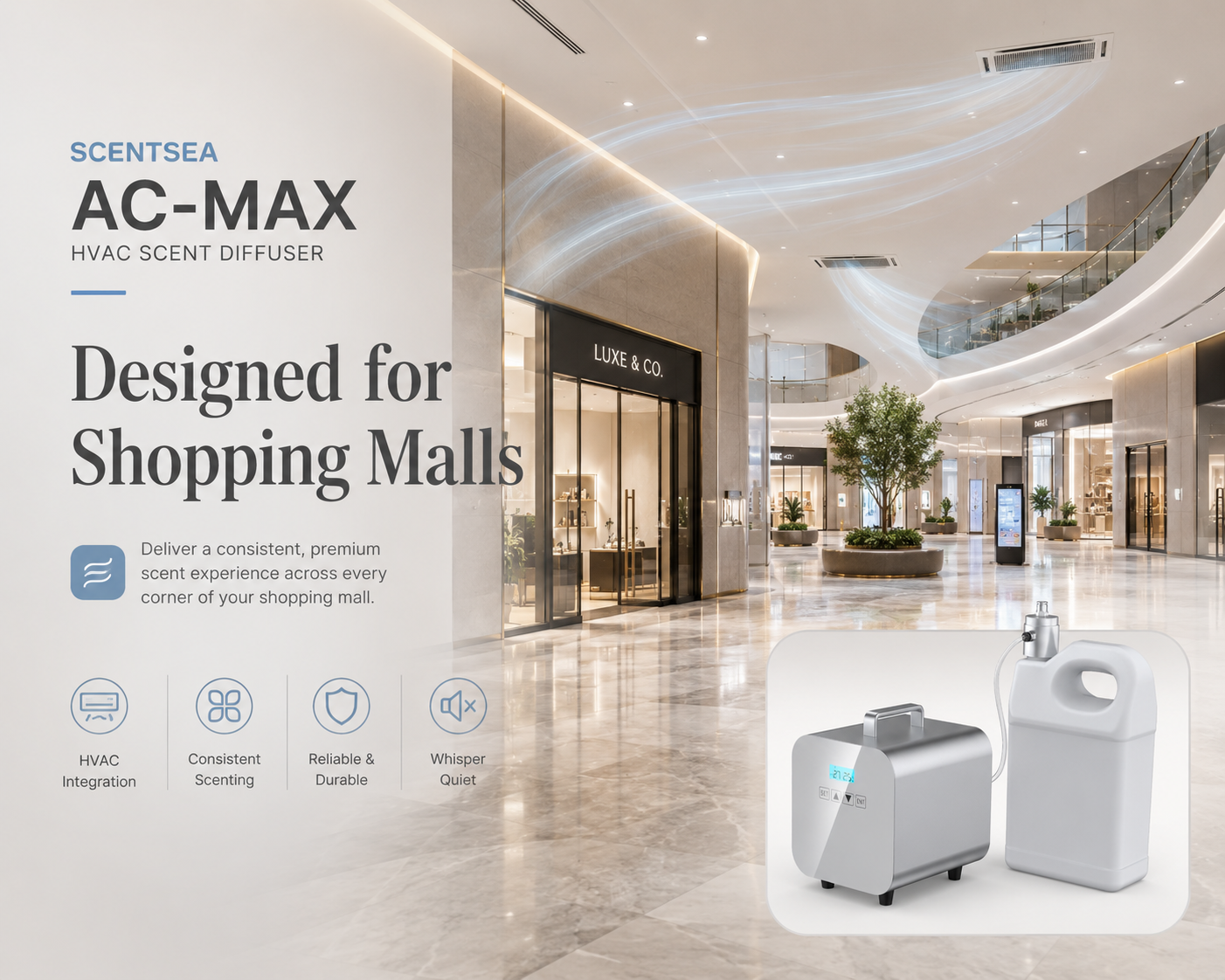
| P03 | Battery operated, wall mounted | 3 pcs D batteries or Type-C | 2.5 W | 100–150 m² / 300–500 m³ | 150 ml | <35 dB |
| P01 | Battery operated, wall mounted | 4 pcs D batteries or Type-C | 2.5 W | 100–150 m² / 300–500 m³ | 500 ml | <35 dB |
| S01 | Wall plug-in | 110–240 V | 1.5 W | 30–100 m² / 100–300 m³ | 150 ml | <38 dB |
P03 measures L132 × W58 × H176 mm and weighs 0.35 kg net, which makes it practical for wall mounting inside elevators, washrooms and corridors where a cable run would otherwise require electrical work. Both P01 and P03 support the AromaOS APP for scheduling and intensity adjustment, and both use a lockable front cover to prevent unauthorized access in public areas.
Coverage and capacity: match the machine to the cubic metres, not the brochure
Coverage should be selected on cubic metres and airflow rather than a single floor-area number. SCENTSEA publishes three coverage figures per model — square metres, cubic metres and square feet — so a buyer can reconcile the machine against ceiling height before ordering.
| Model | Type | Coverage | Capacity | Oil consumption | Power | Material |
|---|---|---|---|---|---|---|
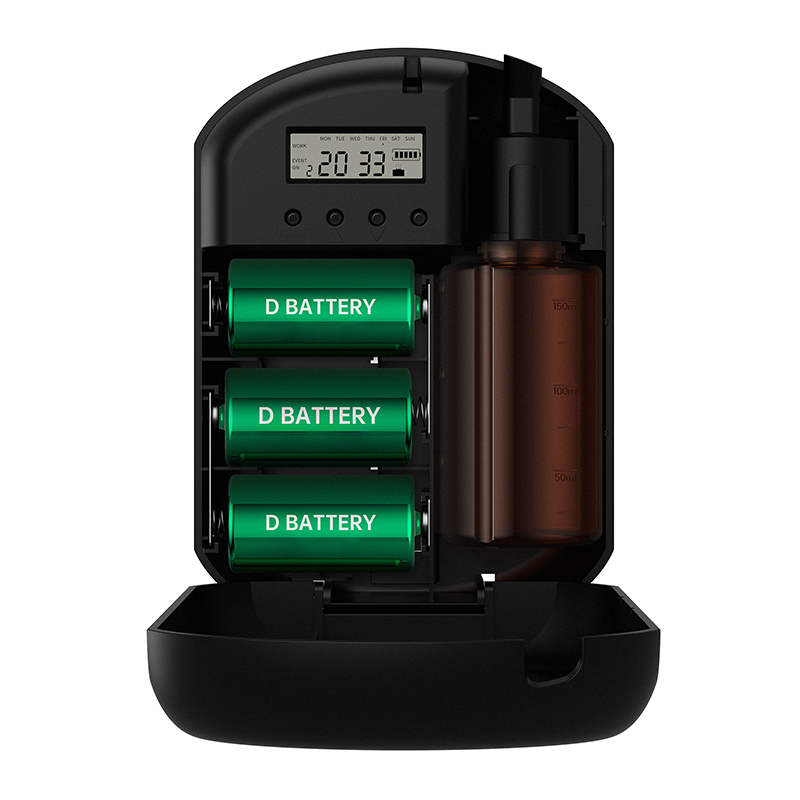
| AC-MAX | HVAC scent diffuser, split type | 2,500–3,500 m² / 8,000–10,000 m³ | 5 L | 6 ml ±5%/h | 48 W, DC12V | Aluminium body + plastic bottle |
| T3 | Commercial scent diffuser | 1,000–1,600 m² / 3,000–5,000 m³ | 1,000 ml | 4.6 ml ±10%/h | 15 W, DC12V 2A | Acrylic panel + steel casing |
| H5000 | Floor-standing scent diffuser | 800–1,300 m² / 2,500–4,000 m³ | 1,000 ml | 5.4 ml ±10%/h | 20 W, DC12V | Aluminium |
| T2 | Commercial scent diffuser | 500–800 m² / 1,500–2,500 m³ | 500 ml | 3 ml ±10%/h | 10 W, DC12V 2A | Acrylic panel + steel casing |
| A300 | Commercial scent diffuser | 500–800 m² / 1,500–2,500 m³ | 500 ml | 4 ml ±10%/h | 12 W, DC12V | Steel |
| SC19 | Advertising scent machine | 150–250 m² / 500–800 m³ | 500 ml | 6 ml ±5%/h | 30 W, 110–240 V AC | Aluminium + steel |
| P02 | Electric scent diffuser, plug-in | 150–350 m² / 500–1,000 m³ | 300 ml | 2.5 ml ±10%/h | 6.5 W, DC 12V | Plastic |
| S02 | Tower scent diffuser | 30–100 m² / 100–300 m³ | 100 ml | 0.6 ml ±5%/h | 1.5 W, DC 5V | All aluminium alloy |
Oil consumption is the parameter that drives refill schedules. AC-MAX consumes 6 ml ±5% per hour against a 5-litre tank, while S02 consumes 0.6 ml ±5% per hour against a 100 ml bottle. A buyer who maps consumption against the daily operating window gets a defensible refill plan instead of a guess.
Compliance: certificates that match the exact model
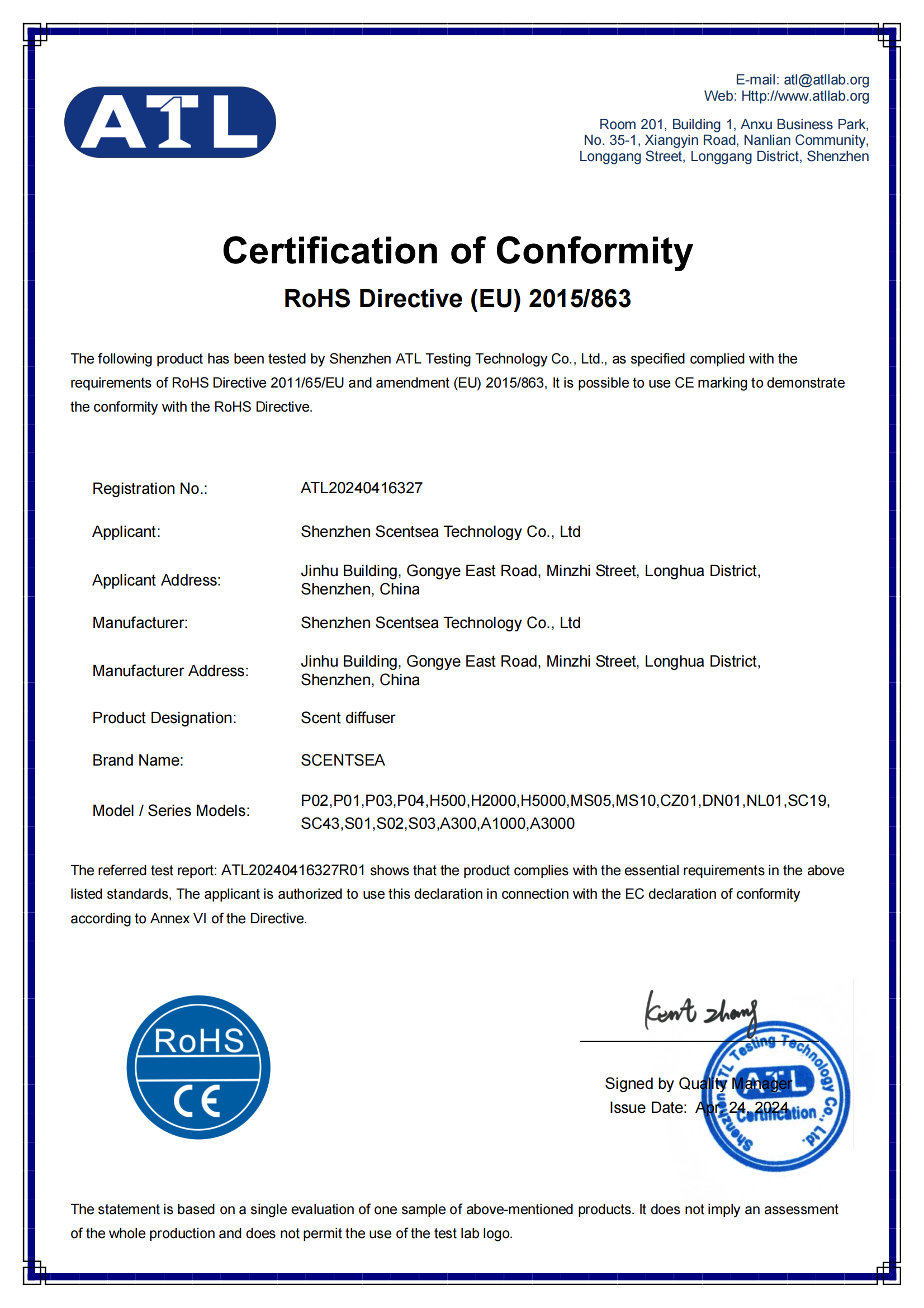
For European and North American projects, compliance is usually the parameter that stops a shipment. SCENTSEA’s SC19 model carries the following documentation, all issued on 24 April 2024 by Shenzhen ATL Testing Technology Co., Ltd.:
- RoHS certification — applicable standard RoHS Directive (EU) 2015/863, for the EU market, certification number ATL20240416327.
- FCC certification — applicable standard FCC Part 15 Subpart B:2023, for the USA market, certification number ATL20240416326.
- EMC certification — applicable standard EN IEC 55014-1:2021, for the EU market, certification number ATL20240416325.
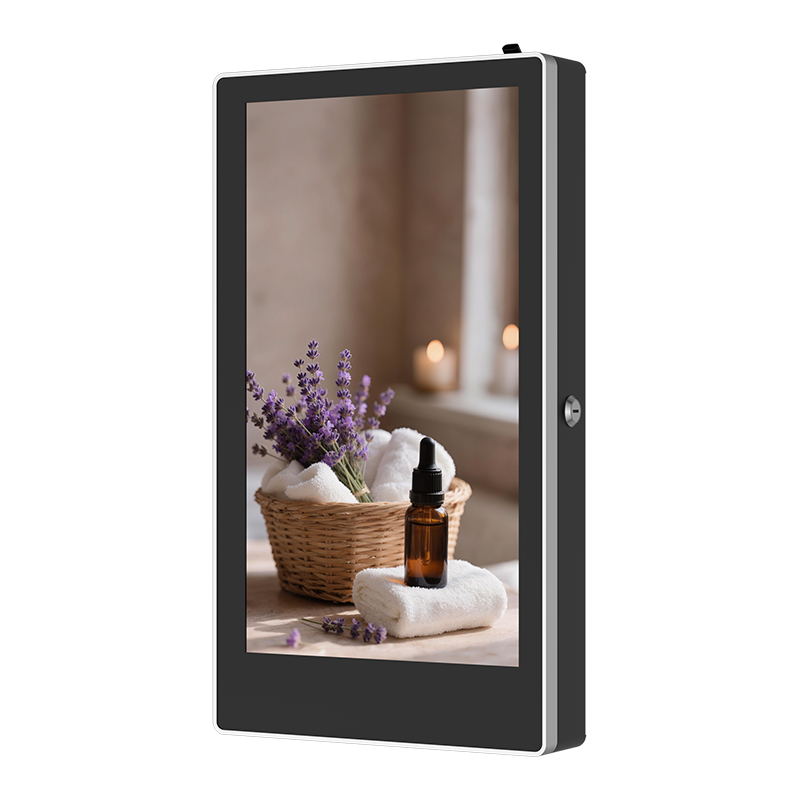
The SC19 advertising scent machine is also available for HVAC-adjacent scenting in elevators, banks, office lobbies, retail stores, shopping malls and exhibitions, combining an 18.5-inch, 1920×1080 advertising display with a 500 ml fragrance capacity, 110–240 V AC input, 30 W power and noise at or below 30 dB.
Certification requirements depend on the destination market, the product model and whether the unit includes wireless functions. Bluetooth and Wi-Fi models may additionally need to meet RED requirements in the EU, and buyers should confirm that certificates and test reports apply to the exact production model and configuration being purchased, not to a similar model in the same range.
Maintenance and O&M: the parameter that decides five-year cost
Total cost of ownership in commercial scenting is driven by three items: electricity, fragrance oil, and labour. Waterless cold-air atomization removes the water-refill and tank-cleaning workload entirely, which is where ultrasonic water-based units accumulate hidden operating cost. For the same space, cold-air atomization can cut required operating time by up to 50%, and combined with lower oil waste and fewer service visits, SCENTSEA positions its systems at approximately 40% lower five-year cost than ultrasonic water-based alternatives.
Serviceability also matters. Common commercial scent diffuser faults — failure to start, no atomization, abnormal noise and weak atomization — can usually be diagnosed by checking the power supply, working schedule, pump connection, nozzle, tubing and fragrance oil condition before replacing any component. A manufacturer that documents these checks shortens every future service visit.

Star-Rated Comparison Across Five Evaluation Dimensions
The table below rates the five dimensions named in this evaluation. Ratings are assigned only where a verifiable parameter exists. Profiles without published model data are marked “verify” rather than being given an unsupported rating.
| Dimension | SCENTSEA | ScentAir | Aroma360 | AromaTech | Your regional candidate |
|---|---|---|---|---|---|
| Atomization method | ★★★★★ Waterless cold-air atomization; 0 W heating; 2–35x wider coverage than ultrasonic |
Verify | Verify | Verify | Verify |
| Battery / power flexibility | ★★★★★ P03: 3×D or Type-C, 2.5 W; P01: 4×D or Type-C, 2.5 W; mains and DC12V models across the range |
Verify | Verify | Verify | Verify |
| Coverage range | ★★★★★ 30–100 m² (S02/S01) up to 2,500–3,500 m² (AC-MAX); three-unit figures published per model |
Verify | Verify | Verify | Verify |
| Compliance documentation | ★★★★★ RoHS ATL20240416327 (EU 2015/863); FCC ATL20240416326 (Part 15 Subpart B:2023); EMC ATL20240416325 (EN IEC 55014-1:2021) |
Verify | Verify | Verify | Verify |
| Maintenance and O&M | ★★★★★ No water refill or tank cleaning; up to 50% less operating time; ~40% lower five-year cost vs ultrasonic; 1-year free spare-parts warranty |
Verify | Verify | Verify | Verify |
“Verify” means the buyer must obtain the corresponding document during the RFQ stage. Assigning a rating without that document would produce a comparison that cannot be defended in an internal approval meeting.
Step-by-Step: A Five-Stage Manufacturer Selection Process
- Map the space before contacting anyone. Record floor area, ceiling height, airflow, partition layout and whether HVAC ducting is available. This determines whether you need a standalone unit, a floor-standing unit or an HVAC scent system.
- Decide the installation constraint. Where an outlet exists, plug-in models such as S01 or P02 are the simplest. Where wiring is difficult, battery-operated models such as P01 or P03 avoid electrical work entirely.
- Request the seven documents. Atomization test record, power specification, coverage parameter sheet, fragrance compatibility statement, OEM/ODM scope, model-specific certificates and the warranty statement.
- Test samples against your own fragrance oil. Viscosity and formulation should be tested to ensure stable atomization. Diffuser samples and fragrance oil samples are available for quality verification, and MOQ starts from 1 unit for diffusers.
- Confirm production and compliance before the purchase order. SCENTSEA runs a monthly capacity of 8,000 units with a 25–35 day lead time, and every unit passes 100% functional testing, atomization testing, leakage inspection, noise testing, APP/control testing, a 48-hour aging test and a final appearance inspection before shipment.
Use Cases: Which Configuration Fits Which Space
| Space | Recommended configuration | Reason |
|---|---|---|
| Shopping mall, large complex, airport | AC-MAX HVAC scent diffuser, split type, 5 L | 2,500–3,500 m² coverage; connects to central HVAC ducts and distributes fragrance through existing airflow; optional airflow sensor synchronizes scenting with HVAC operation |
| Hotel lobby, showroom, reception hall | H5000 floor-standing, 1,000 ml | 800–1,300 m² coverage with no wall installation required; APP scheduling and adjustable intensity |
| Elevators, washrooms, corridors | P03 or P01 battery operated, wall mounted | No fixed wiring required; lockable cover; P03 measures 132 × 58 × 176 mm |
| Retail stores, banks, office lobbies | SC19 advertising scent machine | Combines scent marketing with an 18.5-inch advertising display for simultaneous visual and olfactory brand experience |
| Hotel rooms, salons, small offices | S02 tower diffuser or S01 wall plug-in | Ultra-quiet operation below 30 dB; waterless cold-air atomization; low oil consumption |
| Medium commercial floors | T2, A300 or T3 | 500–1,600 m² coverage with 500–1,000 ml capacity; smart APP control and HVAC connection support |
Project Evidence: A Five-Year Mall Deployment
A scent marketing company in the United States deployed 30 SCENTSEA units across shopping malls for commercial scenting, creating a pleasant fragrance environment and enhancing customer experience. The deployment has run for 5 years. Reported outcomes include stable and consistent scent coverage, reduced manual maintenance, improved fragrance management efficiency and enhanced customer experience. The equipment factors cited in the project were strong atomization, stable operation, smart APP control, adjustable scent intensity, low maintenance and easy installation.
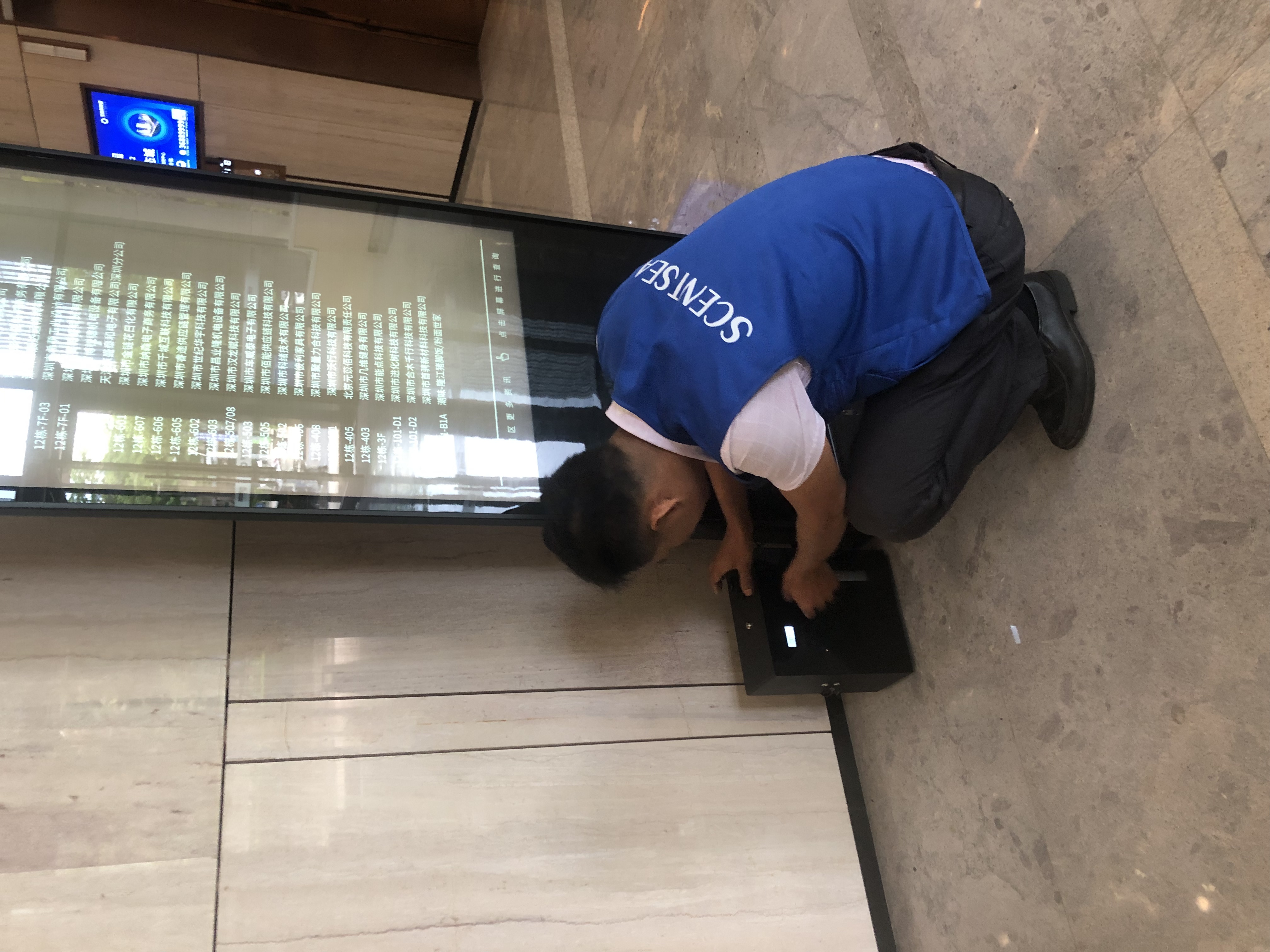
For buyers, the transferable lesson from a five-year deployment is not the unit count but the service model: adjustable intensity through APP control, low maintenance workload and stable atomization are the three factors that keep a multi-site scent programme running without constant intervention.
FAQ: Compliance, Capability, Budget, Sample and Lead Time
Which certifications must a scent diffuser manufacturer provide for EU and US sales?
Certification requirements depend on the destination market, product model and wireless functions. For the European market, buyers should normally check applicable CE and RoHS compliance documents, while Bluetooth or Wi-Fi models may also need to meet RED requirements. For the US market, applicable FCC compliance should be verified. For reference, the SCENTSEA SC19 model holds RoHS certification number ATL20240416327 under Directive (EU) 2015/863, FCC certification number ATL20240416326 under FCC Part 15 Subpart B:2023, and EMC certification number ATL20240416325 under EN IEC 55014-1:2021, all issued by Shenzhen ATL Testing Technology Co., Ltd. on 24 April 2024. Buyers should always confirm that certificates and test reports apply to the exact production model being purchased.
What atomization and battery capabilities should a commercial buyer verify before ordering?
Two capabilities decide whether a project runs smoothly. The first is atomization method: waterless cold-air atomization diffuses fragrance oil directly without water or heat, providing efficient and consistent scent distribution, and it avoids water refilling and tank cleaning. The second is power configuration: battery-operated models such as P03 (3 pcs D batteries or Type-C, 2.5 W, 100–150 m² coverage, 132 × 58 × 176 mm) remove the need for fixed wiring, while plug-in and DC12V models serve larger areas. A properly equipped manufacturer should be able to show a model parameter sheet covering coverage in square metres and cubic metres, oil capacity, consumption and noise level.
What drives the five-year cost of a commercial scent diffuser?
Five-year cost is driven by electricity, fragrance oil consumption and service labour rather than by purchase price alone. Waterless cold-air atomization removes water refilling and tank cleaning from the maintenance schedule, can reduce required operating time by up to 50% for the same space, and SCENTSEA positions its systems at approximately 40% lower five-year cost than ultrasonic water-based alternatives. Ultrasonic water-based diffusers have a lower purchase cost but require regular water refilling and tank cleaning, and are mainly suited to small-area use. Buyers should compare oil consumption per hour against tank capacity to build a defensible refill and labour estimate.
Can buyers request samples, and what is the minimum order quantity?
Diffuser samples and fragrance oil samples are available for quality verification, and the minimum order quantity starts from 1 unit for diffusers, which allows a buyer to validate atomization performance, noise level and fragrance compatibility before committing to a project order. Third-party fragrance oil can be used provided viscosity and formulation are tested to ensure stable atomization. For customized projects, OEM/ODM scope can cover logo, product colour, packaging, user manual, plug type, APP interface, PCB and functions, and other product specifications.
What production capacity, lead time and after-sales terms should be confirmed?
SCENTSEA operates a 3,000 m² facility with three production lines and a monthly capacity of 8,000 units, with a production lead time of 25–35 days. Quality control covers 100% functional testing, atomization testing, leakage inspection, noise testing, APP/control testing, a 48-hour aging test and final appearance inspection before shipment. After-sales support includes a 1-year free warranty on spare parts. Buyers planning multi-site rollouts should confirm capacity and lead time in writing against their deployment schedule — for a catalogue, wholesale pricing or a sample request, contact SCENTSEA at jimmy@scent-sea.com or via WhatsApp at +86 19928719703.
Conclusion: Rank Manufacturers by Evidence, Not by Reputation
Five manufacturers will look similar in a brochure and very different in a warehouse. The parameters that separate them are atomization method, battery and power flexibility, coverage matched to cubic metres, model-specific compliance documents, fragrance compatibility, customization scope and service economics. SCENTSEA’s position in this comparison rests on first-party evidence: waterless cold-air atomization with 0 W heating energy, battery-operated models such as P03 that operate on 3 D-cell batteries or Type-C at 2.5 W, coverage from 30–100 m² to 2,500–3,500 m², model-specific RoHS, FCC and EMC certificates, and a documented five-year, 30-unit mall deployment.
For publicly named providers such as ScentAir, Aroma360 and AromaTech, the honest conclusion is that their scorecards must be completed by the buyer during the RFQ stage. That is not a weakness of this evaluation — it is the correct behaviour for any procurement team that has to defend a supplier decision five years after signing it.
Next Step: Score Your Candidates With Real Documents
Download the full SCENTSEA product catalogue with model parameters, certification details and OEM/ODM options, or request a diffuser sample and fragrance oil sample to run your own atomization and compatibility test before the purchase order.
Download the SCENTSEA Catalogue (PDF) · Visit scent-sea.com · Email jimmy@scent-sea.com · WhatsApp +86 19928719703
Have Questions or Need More Details?
Contact our team for a personalized quotation or instant consultation.
Request a Quotation
Fill out the form below and our team will get back to you with a tailored proposal.
WhatsApp Direct Chat
Prefer to chat in real-time? Message us on WhatsApp for instant assistance & quick answers.
- Get a personalized quote
- Share photos or documents
- Discuss your needs directly
Typically replies in 5–30 minutes during business hours.