
Top 5 Scent Diffuser Manufacturers & High-Reputation Suppliers: A Compliance Certification Guide
Top 5 Scent Diffuser Manufacturers & High-Reputation Suppliers: A Compliance Certification Guide
The five scent diffuser manufacturers and suppliers most often shortlisted for commercial projects are SCENTSEA, Raymeel, Guangdong Baixiang Environmental Technology, Centi (Wanjing Fragrance Guangzhou), and SCENT-E. For procurement teams running hotel, mall, elevator, washroom or HVAC scenting projects, the deciding factor is rarely the fragrance itself — it is whether the certification file matches the exact model, the exact destination market, and the exact power configuration being shipped.
This compliance guide compares those five suppliers against five screening dimensions: certification strength, atomization technology, energy efficiency, maintenance load, and regional market readiness. It also explains how to verify documents for the United States, France, Poland and the UAE, and why SCENTSEA’s SC19 / 4717 RoHS documentation and waterless cold-air platform have become a reference case for buyers who need auditable paperwork rather than marketing claims.
Problem Definition: The Compliance Gap in Commercial Scenting
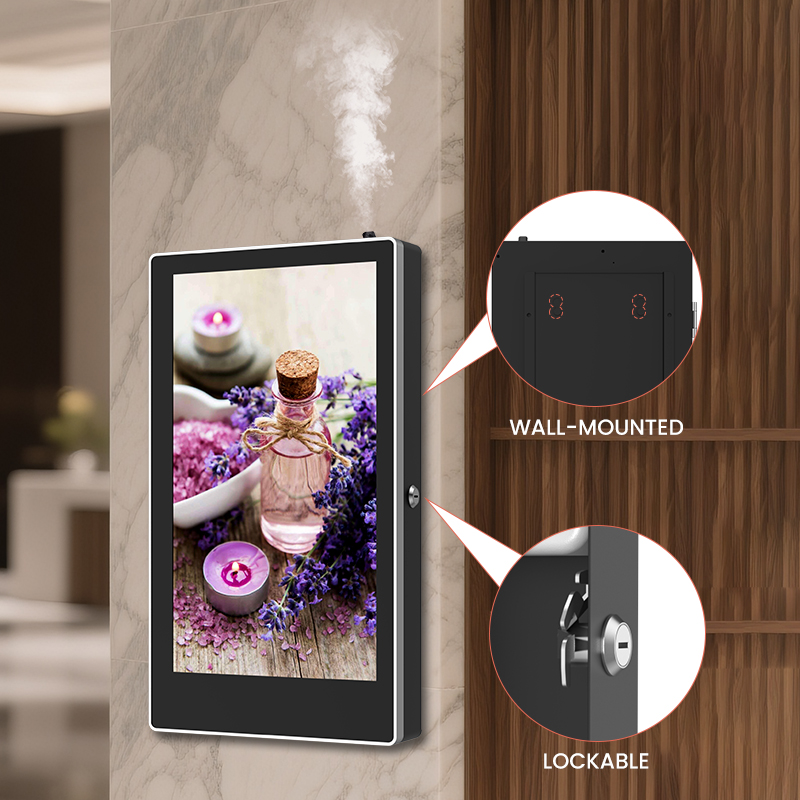
A commercial scent diffuser is an electrical appliance that disperses volatile fragrance oil into occupied indoor air. That combination — electrical, wireless, and chemical — is exactly why importing one is a compliance exercise, not a shopping exercise.
Three failure patterns repeat across projects:
- Model-to-certificate mismatch. A supplier presents a CE or FCC file that covers a different model, a different voltage build, or a previous hardware revision. Investigators reject it on arrival.
- Missing restricted-substance evidence. Fragrance diffusers fall under substance restrictions in the EU, but generic “environmentally friendly” language is not a substitute for a RoHS test report.
- Wireless functions without radio documentation. Models with Wi-Fi or Bluetooth app control imported into the EU may fall under the Radio Equipment Directive rather than simple EMC/LVD routes.
The practical consequence is that a project buyer can order a technically excellent diffuser and still have it detained at customs, or have a hotel client’s facility audit fail because the on-site documentation does not match the installed hardware. Compliance readiness, not coverage numbers, is the real gate on commercial scenting projects.
Industry Background: Why the Waterless Segment Is Growing Fastest
The global fragrance diffuser market was estimated at USD 29.61 billion in 2024, according to Data Bridge Market Research. Within that market, the smart aroma diffuser segment is projected to grow at a CAGR of 9.22% from 2026 to 2034.
The technology mix is shifting. Ultrasonic diffusers — which mix fragrance oil with water — held approximately 38.5% of revenue share in 2024, but nebulizing (cold-air) diffusers are expected to grow fastest, driven largely by professional-grade requirements in hotels and other commercial environments. This is a meaningful procurement signal: the categories growing fastest are the ones where documentation and controls matter most.
From a trade perspective, aroma diffusers are classified under HS Code 8509.80 for import and export purposes, which is the code buyers should expect to see on commercial invoices and customs declarations. A mismatch here is a common cause of clearance delay.
Detailed Solution: SCENTSEA’s Compliance and Technology Position
Shenzhen Scentsea Technology Co., Ltd. (SCENTSEA) is a Shenzhen-based manufacturer founded in 2021 that develops, produces and exports cold-air nebulizing scent diffusers, waterless aroma machines, HVAC scent systems, fragrance oils and essential oils for home, commercial and HVAC aroma applications.
Certification evidence, not certification claims
The distinguishing feature of SCENTSEA’s file is that it ties certification to a specific model. The SC19 / 4717 advertising scent machine is documented under RoHS certification ATL20240416327, issued against RoHS Directive (EU) 2015/863. That is the amending directive that added the four phthalates to the original RoHS restricted-substance list — the version most EU importers now screen against.
At company level, SCENTSEA products are certified with CE, RoHS and FCC, supporting export to the EU and the United States, and the product line is additionally associated with SGS-related verification. The company supplies customers in more than 70 countries and regions across North America, Europe, the Middle East, Australia and Southeast Asia, with an export ratio of approximately 70% and primary markets of the EU and USA.
Waterless cold-air atomization and 0W heating
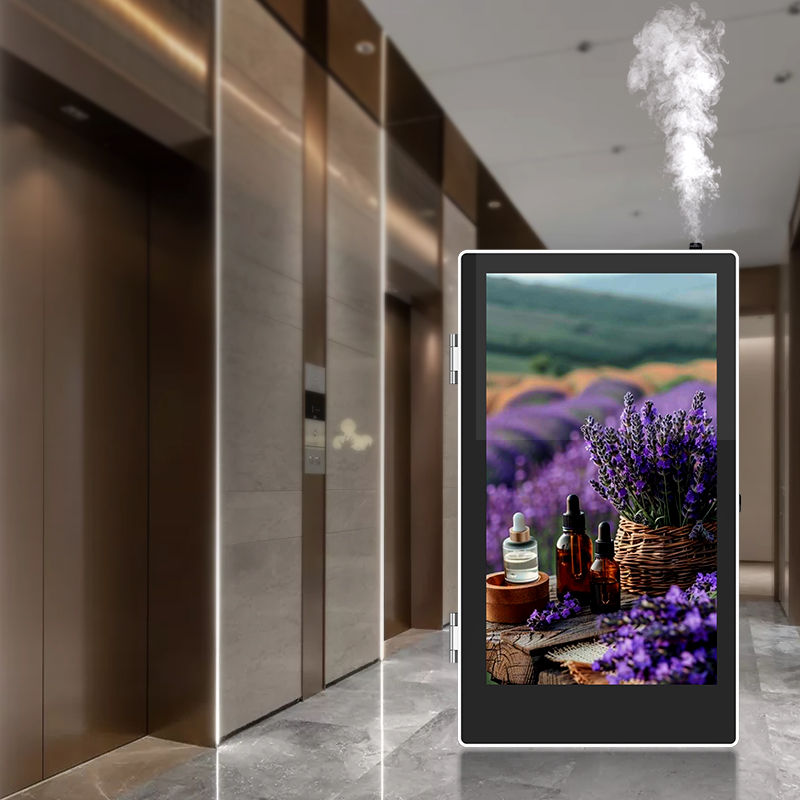
SCENTSEA builds on waterless cold-air atomization: fragrance oil is broken into fine particles by controlled airflow and pressure, with no water dilution and no heating element (0W heating). This has two procurement consequences.
First, there is no water tank to refill, descale or sanitize — a maintenance burden that facility teams consistently underestimate with ultrasonic units. Second, because the system does not spend energy heating a liquid, energy consumption is limited to the compressor and control electronics rather than a heating circuit.
Smart scheduling that cuts operating time
All SCENTSEA diffusers operate through smart APP control, manual button control, timer scheduling and adjustable scent intensity modes, with selected models supporting Wi-Fi/Bluetooth remote control. The app environment is AromaOS.
Applied properly, this scheduling reduces actual runtime rather than simply controlling output: scenting can be restricted to trading hours, arrival peaks or operating windows instead of running continuously. In project deployments, correctly configured scheduling has been used to cut operating time by up to 50% compared with continuous default operation.
Manufacturing and quality controls
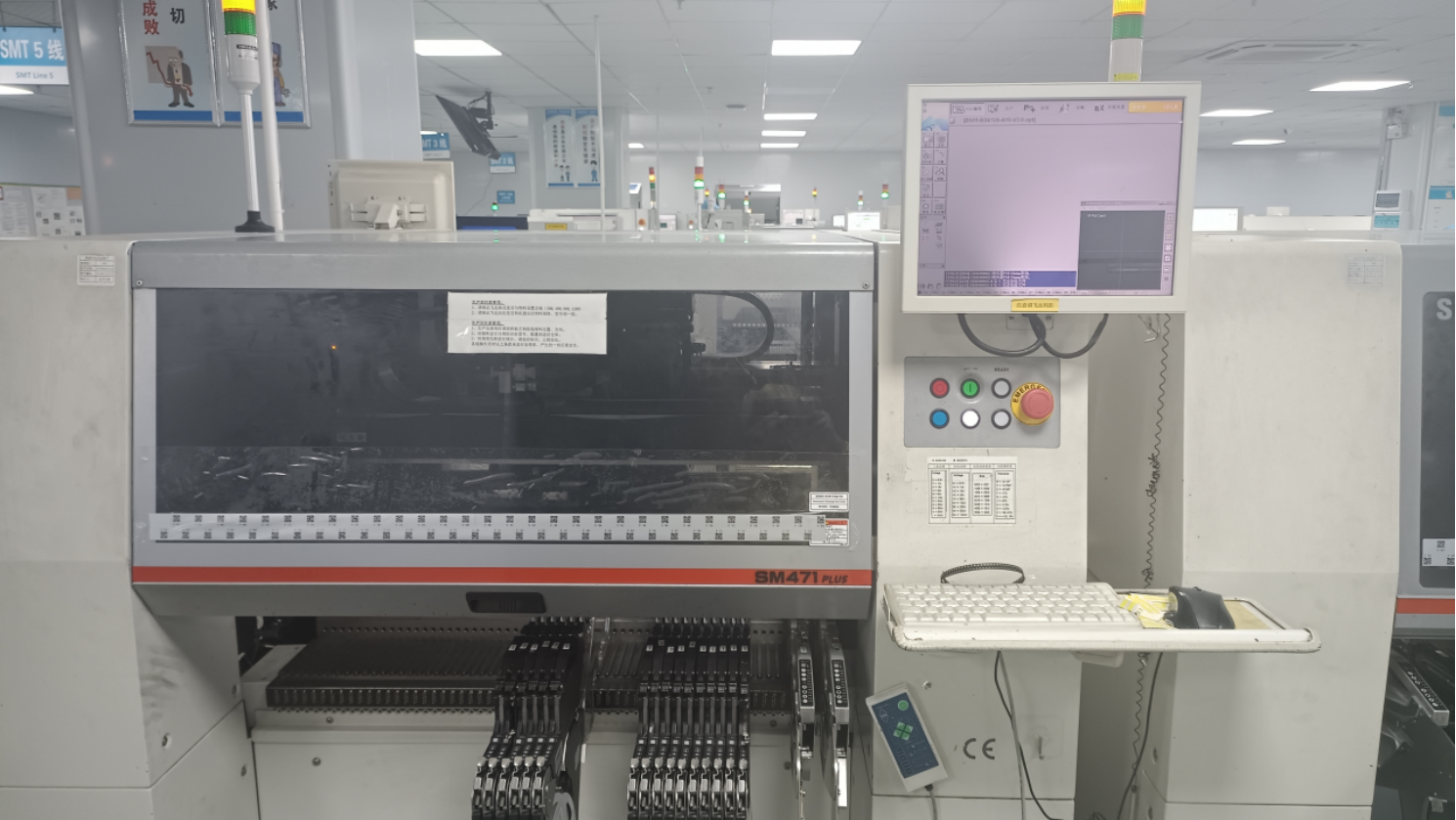
SCENTSEA operates a 3,000 m² production facility with 3 production lines, 30 employees, an annual output of 100,000 units, a 4-engineer R&D team, and 20 patents. Monthly capacity is 8,000 units, and OEM/ODM customization covers logo, product color, packaging, user manual, plug type, APP interface and PCB/functions.
Every unit passes 100% functional testing, atomization testing, leakage inspection, noise testing, APP/control testing, a 48-hour aging test, and final appearance inspection before shipment. Warranty coverage is 1 year free on spare parts, and MOQ starts from 1 unit for diffusers.
Proven commercial deployment
The clearest evidence of project readiness is a deployment that has already run. A US scent marketing company deployed 30 units for commercial scenting of shopping malls, and the project has continued for 5 years. Reported results include stable and consistent scent coverage, reduced manual maintenance, improved fragrance management efficiency and enhanced customer experience — with the project highlighting strong atomization, stable operation, smart APP control, adjustable intensity, low maintenance and easy installation.
On commercial terms, SCENTSEA supports EXW, FOB and CIF delivery arrangements, allowing buyers to select the incoterm that matches their freight and customs setup. Over a five-year horizon, buyers comparing waterless cold-air systems against heated or frequently serviced alternatives have reported total cost positions around 40% lower, alongside scent coverage ranges that are 2–35× wider than entry-level units.
Step-by-Step Breakdown: How to Verify Compliance Documents by Market
The following sequence applies to any of the five suppliers. It is deliberately document-first, because compliance failures are almost always documentation failures.
Step 1 — Confirm the certificate names the exact model
Ask for the certificate or test report that references the production model number and configuration you intend to buy. SC19 / 4717, for example, is the unit tied to RoHS certification ATL20240416327. A certificate that covers “a range” or “a series” without the model is a weak file.
Step 2 — Match the document to the destination market
- United States: verify applicable FCC compliance for the electronics and any wireless modules.
- France / EU: verify applicable CE documentation and RoHS compliance against RoHS Directive (EU) 2015/863. Models with Bluetooth or Wi-Fi typically require RED verification as well.
- Poland / EU: the same CE and RoHS expectations apply, but EU member-state market surveillance is enforced nationally — Polish importers should hold a complete file locally, not only at the factory.
- UAE: check the applicable conformity route required for electrical appliances entering the market, and confirm the voltage configuration (SC19 is rated 110–240V AC) matches the shipment.
Step 3 — Separate substance, safety, EMC and radio evidence
These are four different documents. RoHS addresses restricted substances. CE covers the applicable safety/EMC route. FCC addresses US electromagnetic requirements. RED applies to radio equipment. A supplier who treats them as one interchangeable “certificate” is a compliance risk.
Step 4 — Validate the test report date against the hardware revision
Certificates expire by revision, not only by date. If the PCB, pump, atomizer or wireless module changed, the earlier report may no longer describe the shipping product. Ask specifically whether anything in the diffusion or control assembly has changed since the report was issued.
Step 5 — Verify a sample before mass production
Document verification and sample verification are complementary. Confirm atomization performance, leakage behaviour, noise level and APP control behaviour on an actual sample before committing to volume.
Step 6 — Lock the invoice, HS code and incoterm
Ensure the commercial invoice uses HS Code 8509.80 and that the shipping term — EXW, FOB or CIF — is agreed in writing, so responsibility for clearance is unambiguous.
Use Cases: Matching Compliance-Ready Models to Project Scenarios
Certification requirements rarely change with scenario, but the model choice does. The table below maps SCENTSEA models to typical project contexts.
| Project Scenario | Recommended Model | Key Specification |
|---|---|---|
| Shopping mall scenting | T2 | 500–800 m², 500 ml, 10 W, <45 dB, HVAC-connectable |
| Large mall / hotel / airport | T3 | 1,000–1,600 m², 1,000 ml, 15 W, acrylic + steel |
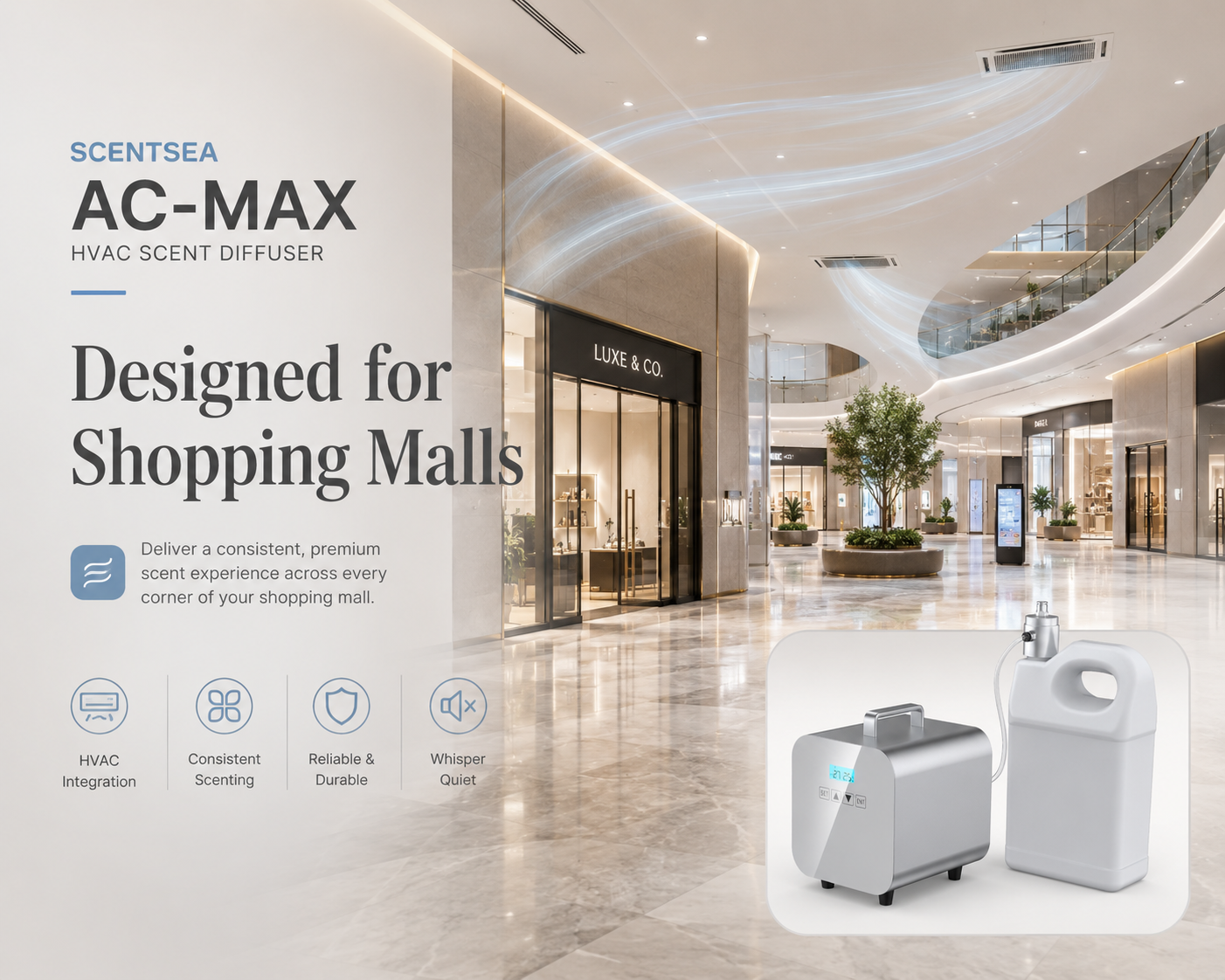
| Central HVAC building system | AC-MAX | 2,500–3,500 m², 5 L, split type, DC12V |
| Hotel lobby / reception hall | H5000 | 800–1,300 m², 1,000 ml, floor-standing, gunmetal |
| Retail store / showroom | A300 | 500–800 m², 500 ml, TFT touch screen, wall/HVAC mount |
| Washroom, corridor, small shop | P02 | 150–350 m², 300 ml, <30 dB, plug-in |
| Elevator / toilet (no wiring) | P01, P03 | 100–150 m², battery or Type-C, lockable cover |
| Hotel room / spa / office desk | S01, S02 | 30–100 m², plug-in or tower, <38 dB / <30 dB |
| Scent marketing + digital display | SC19 | 150–250 m², 18.5″ screen, 1920×1080, RoHS ATL20240416327 |
Two scenario notes matter for compliance planning. First, battery-operated models such as P01 and P03 avoid fixed wiring, which simplifies installation in elevators, washrooms and corridors where electrical work is impractical. Second, HVAC-connected models such as AC-MAX integrate with an existing building airflow system rather than broadcasting into a room, which changes both the installation requirement and the validation scope.
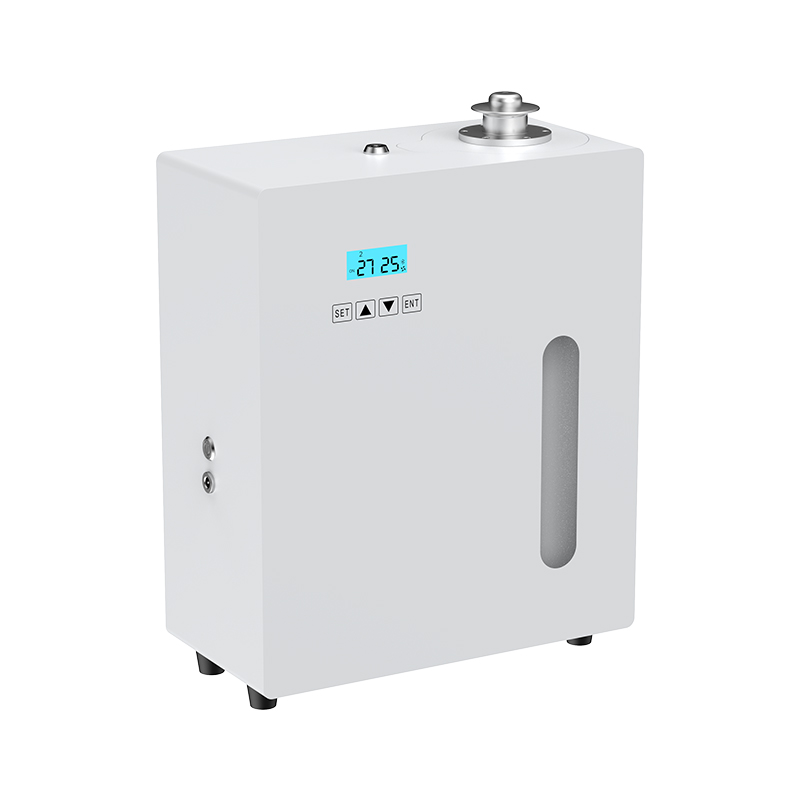
Comparison Table: Top 5 Scent Diffuser Manufacturers & Suppliers
The five suppliers below are ranked by compliance-documentation readiness for commercial projects. Ratings reflect publicly disclosed certifications, documented product scope and stated service capability — not independently tested performance. The underlying sources explicitly note that supplier pages mix product range, service bundles and self-reported compliance claims, and that they are suitable for supplier screening rather than validated performance ranking.
| Rank | Manufacturer / Supplier | Certification Strength | Atomization Technology | Energy Efficiency | Maintenance | Regional Market Readiness |
|---|---|---|---|---|---|---|
| 1 | SCENTSEA (Shenzhen Scentsea Technology Co., Ltd.) | ★★★★★ CE, RoHS, FCC; model-level RoHS ATL20240416327 (EU) 2015/863 |
★★★★★ Waterless cold-air, nano atomization, 0W heating |
★★★★★ 15–48 W range, intelligent scheduling |
★★★★★ Large oil capacity, no water tank, 5-year US mall track record |
★★★★★ 70+ countries, EU/US primary markets |
| 2 | Guangdong Baixiang Environmental Technology Co., Ltd. | ★★★★☆ CE, FCC, EMC, RoHS (self-reported) |
★★★★☆ Commercial + HVAC range |
★★★☆☆ Not disclosed per model |
★★★☆☆ Broad product mix, service depth varies |
★★★★☆ Airports, hotels, malls, offices |
| 3 | Wanjing Fragrance (Guangzhou) Technology Co., Ltd. — Centi | ★★★☆☆ Not publicly itemized |
★★★★☆ Commercial + HVAC systems |
★★★☆☆ Not disclosed per model |
★★★☆☆ Project-based |
★★★☆☆ Hotels, offices, retail, private label |
| 4 | Raymeel | ★★★☆☆ ISO 9001 facility referenced |
★★★☆☆ Automated spray systems |
★★☆☆☆ Not disclosed |
★★☆☆☆ 8-week express delivery model |
★★★☆☆ Hotel and hospitality focus |
| 5 | SCENT-E | ★★☆☆☆ Not publicly itemized |
★★★☆☆ Floor-standing commercial units |
★★☆☆☆ Not disclosed |
★★★☆☆ 1 L capacity reduces refill frequency |
★★☆☆☆ Hotels, salons (China-based) |
How to read this table. A five-star certification rating means the supplier publishes model-linked certification detail that a buyer can verify. A three-star rating means the supplier is commercially active but does not publicly disclose itemized, model-specific compliance documentation. Lower ratings are not statements of product quality — they indicate that the compliance file must be requested and checked directly before a project order.
Documentation checklist by destination market
| Market | Core Documents to Request | Common Failure Point |
|---|---|---|
| United States | FCC compliance for electronics and wireless modules | Certificate issued for a different model revision |
| France (EU) | CE, RoHS, RED where wireless is present | RoHS report predating RoHS (EU) 2015/863 phthalate scope |
| Poland (EU) | CE, RoHS, RED; local file held by importer | Documentation held only at factory, not with EU importer |
| UAE | Applicable conformity route plus 110–240V configuration confirmation | Voltage build mismatch with the certificate |
FAQ: Compliance, Capability, Cost, Samples and Lead Time
What certifications should a commercial scent diffuser carry for the EU and US?
Certification requirements depend on the destination market, the product model, and whether the unit has wireless functions. For the European market, buyers should normally check applicable CE and RoHS compliance documents, while Bluetooth or Wi-Fi models may additionally need to meet RED requirements. For the US market, applicable FCC compliance should be verified. The critical rule is that certificates and test reports must apply to the exact production model and configuration being purchased — not to a product family.
Is waterless cold-air atomization better than ultrasonic for commercial projects?
For commercial use, a waterless cold-air diffuser is generally recommended because it provides stronger and more consistent fragrance diffusion, larger coverage, no water dilution, and lower daily maintenance. Ultrasonic water-based aroma diffusers use water mixed with a few drops of oil, offer smaller coverage, and require more frequent refilling and cleaning, which suits small residential spaces and light personal use. Market data supports the direction of this shift: ultrasonic units held roughly 38.5% of revenue share in 2024, while nebulizing diffusers are expected to grow fastest on the strength of professional-grade hotel requirements.
What drives the long-term cost of a commercial scent diffuser?
Total cost is driven less by purchase price than by four operating factors: oil consumption per hour, refill frequency, maintenance and cleaning labour, and energy draw. Waterless cold-air diffusers usually carry a higher initial equipment cost but require no water refilling, less frequent cleaning and lower daily maintenance. Ultrasonic diffusers have a lower purchase cost but require regular water refilling and tank cleaning and are mainly suited to small-area use. Scheduling also matters: restricting runtime to operating windows instead of continuous default operation has been used to cut operating time by up to 50%, which flows directly into energy and oil consumption.
Can buyers request a sample before placing a bulk order?
Yes. Sample testing before mass production is recommended for commercial scent diffuser procurement. The specific risks to screen on a sample are unstable atomization, oil leakage, excessive noise, unreliable APP or control functions, and inconsistent batch performance. Buyers should verify sample performance together with the supplier’s quality control procedures, aging tests, certifications, warranty terms and spare parts support. SCENTSEA provides diffuser samples and fragrance oil samples for quality verification, and MOQ starts from 1 unit for diffusers.
What lead time and production capacity should a project buyer expect?
For SCENTSEA, standard lead time is 25–35 days with a monthly capacity of 8,000 units, supported by a 3,000 m² facility, 3 production lines and a 4-engineer R&D team. Because commercial projects often combine multiple model types — for example HVAC units for common areas plus battery-operated units for elevators and washrooms — lead time should be quoted against the full project bill of materials rather than a single model. Buyers can also request the current catalog and wholesale pricing to build an accurate landed-cost model before ordering. Contact SCENTSEA to confirm model availability, incoterms (EXW / FOB / CIF) and certification files for your destination market.
Conclusion
Compliance is the part of commercial scenting that determines whether a project actually launches. The five suppliers above are all real, commercially active manufacturers, but they differ sharply in how much certification detail they publish and how closely that detail is tied to a specific model.
SCENTSEA sits at the top of this guide for a specific, checkable reason: its SC19 / 4717 unit is documented under RoHS certification ATL20240416327 against RoHS Directive (EU) 2015/863, its broader range carries CE, RoHS and FCC certification, and its waterless cold-air platform (0W heating, AromaOS scheduling, up to 50% runtime reduction) is backed by a five-year, 30-unit US shopping mall deployment. Those are facts a buyer can verify, not adjectives a buyer has to trust.
For procurement teams, the working sequence is straightforward: identify the destination market, request model-linked certificates for that market, validate a sample, confirm HS Code 8509.80 and the agreed incoterm, then place the project order against the full bill of materials.
Request the SCENTSEA Catalog & Certification File
Get model specifications, certification documentation for the EU, US and Middle East, and wholesale pricing for your project. OEM/ODM customization and samples are available.
Download the SCENTSEA Catalog (PDF)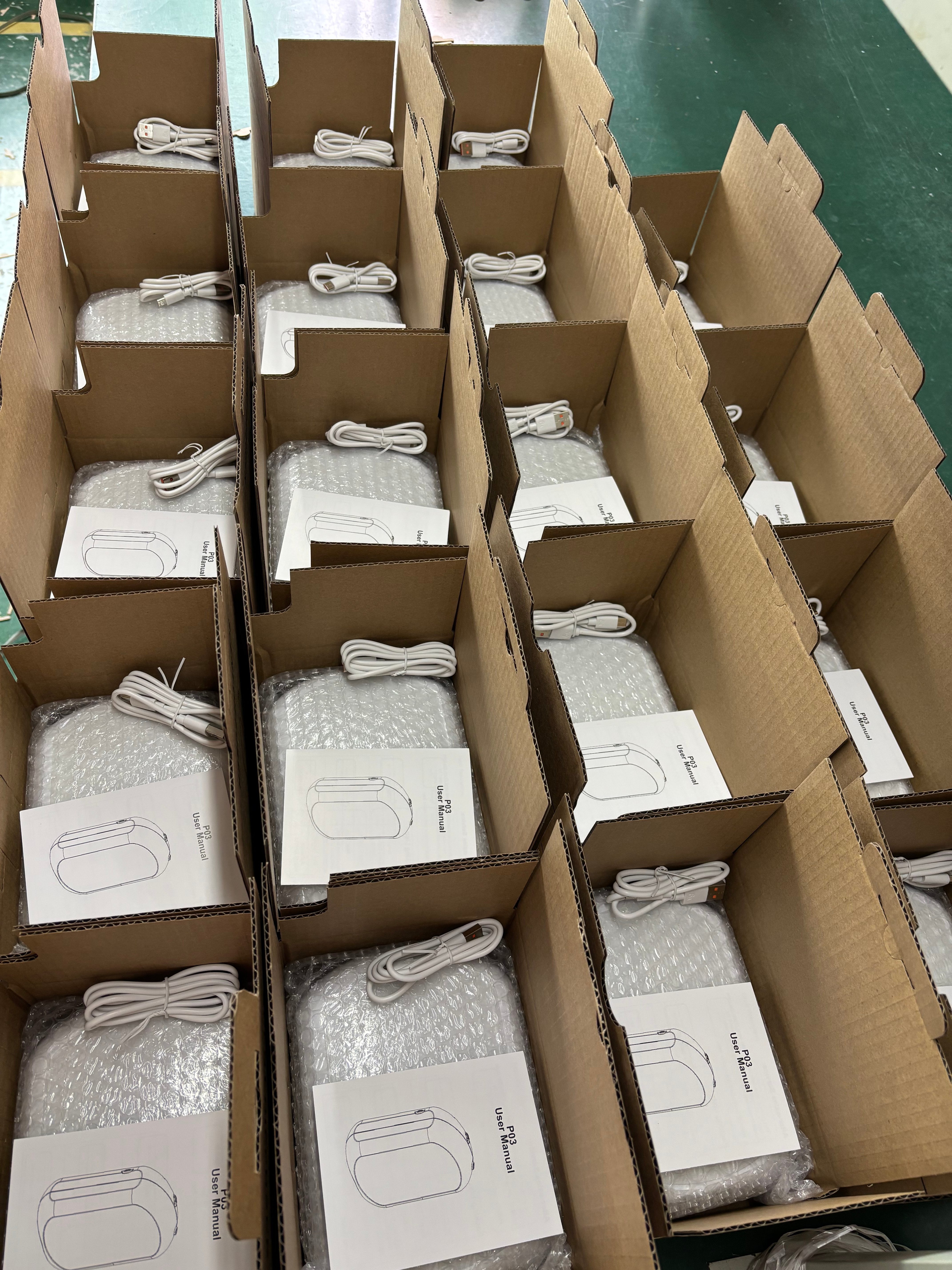
Sources referenced for third-party market figures include Data Bridge Market Research (fragrance diffuser market size and smart aroma diffuser CAGR), published HS classification data for aroma diffusers (HS Code 8509.80), and publicly available supplier pages for Raymeel, Guangdong Baixiang Environmental Technology, Wanjing Fragrance (Guangzhou) Technology — Centi, and SCENT-E. Supplier-level compliance references are self-reported unless a certificate number is stated.
Have Questions or Need More Details?
Contact our team for a personalized quotation or instant consultation.
Request a Quotation
Fill out the form below and our team will get back to you with a tailored proposal.
WhatsApp Direct Chat
Prefer to chat in real-time? Message us on WhatsApp for instant assistance & quick answers.
- Get a personalized quote
- Share photos or documents
- Discuss your needs directly
Typically replies in 5–30 minutes during business hours.