
Solving Odor Problems in Toilets and Elevators: Portable and Battery Options
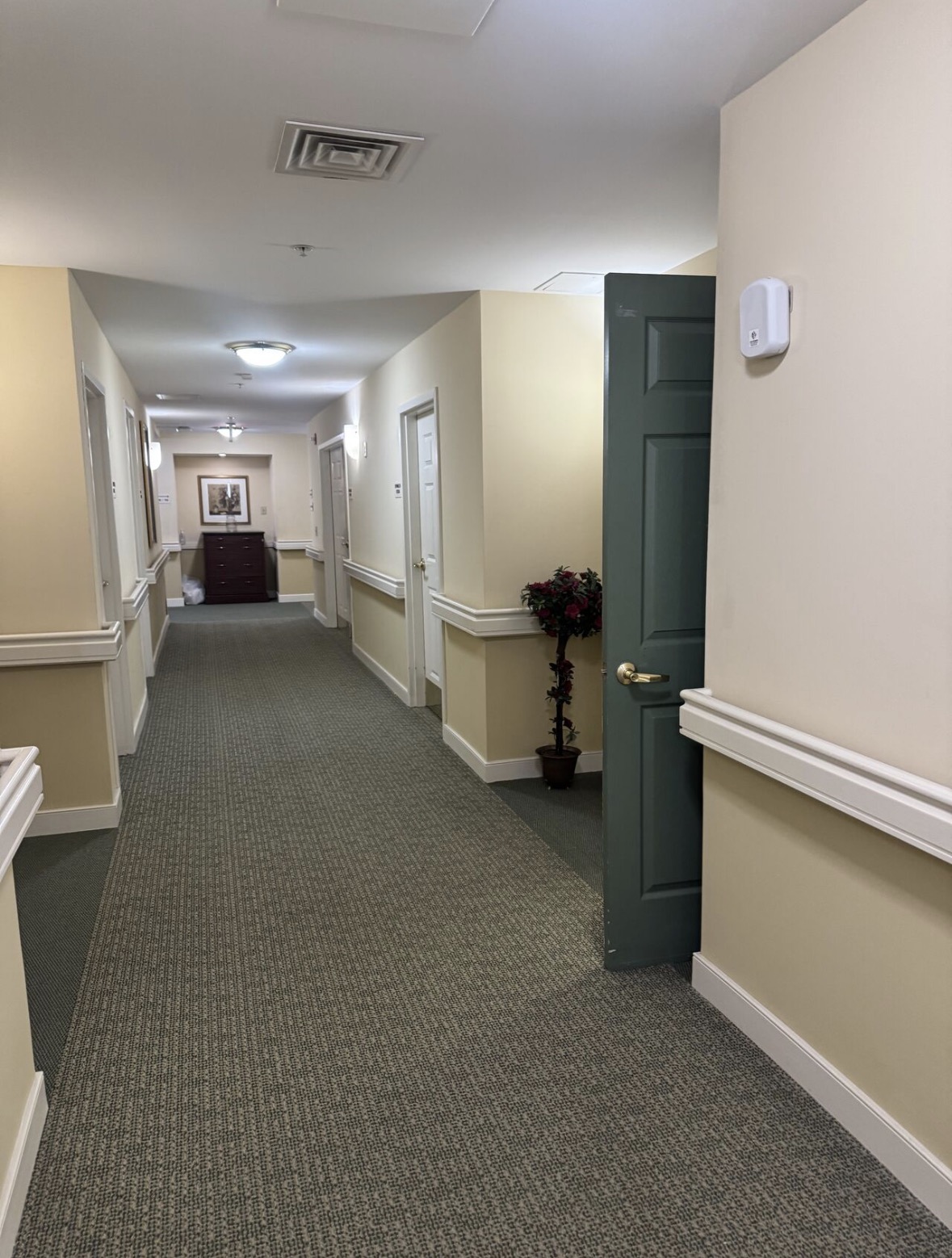
SCENTSEA P03 battery-operated scent diffuser, a compact option for toilets, elevators, corridors and small shops.
Short answer: For toilets and elevators, the practical starting point is a compact battery-operated scent diffuser that does not depend on nearby wiring. SCENTSEA P01 and P03 are battery operated scent diffusers with plastic housings, 5V rated voltage and rated coverage of 100-150 m², making them relevant options for these confined spaces. P01 offers 500ml capacity, while P03 offers 150ml capacity in a smaller body. Both list toilets and elevators among their applicable industries.
Odor problems in toilets and elevators are rarely solved by stronger fragrance alone. These spaces are small, often poorly ventilated, used intermittently and judged within seconds by visitors. A portable scent diffuser must therefore fit the space, run without complex wiring, stay quiet and be easy to maintain. This article explains the problem, the commercial background, the P01 and P03 battery-operated solution, a step-by-step selection process, use cases, a specification comparison and a FAQ for buyers evaluating toilet scent diffuser and elevator scent diffuser options.
Problem Definition: Why Toilet and Elevator Odors Are Hard to Control
Toilets and elevators share a set of conditions that make odor control different from scenting a hotel lobby or a shopping mall concourse. The space is small, airflow is limited, and the odor source may be intermittent but highly noticeable. In toilets, moisture, waste, cleaning chemicals and high foot traffic can combine to create persistent odors. In elevators, air is recirculated, doors open and close frequently, and a single unpleasant moment can affect many people in a short time.
The practical constraints are also different. Many toilets and elevator areas do not have a convenient power outlet. Wiring a new point may be difficult, costly or not permitted by the building operator. The installation footprint is tight, so the unit must be compact. Noise matters because a loud device in a quiet washroom or elevator cab draws attention. Maintenance access matters because refill and cleaning routines are usually handled by facility staff who need a simple process.
- Space constraints: small rooms and cabs require compact equipment and careful placement.
- Airflow constraints: limited ventilation can cause fragrance to concentrate in one area instead of distributing evenly.
- Power constraints: wiring may be unavailable, difficult or restricted by the building.
- Noise sensitivity: quiet environments make mechanical noise more noticeable.
- Maintenance access: refilling, battery replacement and cleaning must fit routine facility work.
- Odor load variability: peak usage and cleaning schedules change the intensity required.
A useful decision rule is to match the diffuser to the actual space and airflow, not only to the maximum rated coverage. The right unit should be portable or battery operated where wiring is inconvenient, compact enough for the installation point, quiet enough for the environment and supported by clear maintenance steps. This is where the P01 and P03 battery-operated models become relevant.
Industry Background: What Commercial Scenting Context Matters
Commercial scenting is well established in hotels, shopping malls, offices, retail stores, restrooms and transport environments. The global fragrance diffuser market was estimated at USD 29.61 billion in 2024, according to Data Bridge Market Research. The same source projects the smart aroma diffuser segment to grow at a CAGR of 9.22% from 2026 to 2034. These figures describe the wider category, not a specific toilet or elevator model, but they show why buyers have more format choices than before.
Within that category, waterless and cold air scent diffuser designs are used for consistent fragrance delivery without water dilution or heating. Commercial buyers also see HVAC scent diffuser systems for large, centralized projects, floor standing scent diffuser units for lobbies, wall mounted scent diffuser formats for corridors, plug in scent diffuser and electric scent diffuser options where outlets are available, and smart scent diffuser or app controlled scent diffuser features for scheduling and remote management. Metal scent diffuser housings are common in premium public areas, while plastic scent diffuser constructions are often used where weight, cost and compact installation matter.
SCENTSEA is a relevant supplier to examine for this category. Shenzhen Scentsea Technology Co., Ltd. is a scent diffuser and fragrance oil supplier founded in 2021 and headquartered in Shenzhen, China. The company operates a 3,000 m² production facility, lists 20 patents and supplies cold air nebulizing scent diffusers, waterless aroma machines, HVAC scent systems, fragrance oils and essential oils. SCENTSEA states that all diffuser models are certified with CE, RoHS and FCC, and its products have been supplied to customers in more than 70 countries and regions. Its range includes wall plug-in, portable, wall-mounted, floorstanding, BlueTh/WiFi app control, HVAC and large-space commercial scent machines for homes, hotels, offices, shopping malls, gyms, hospitals, beauty salons and SPA centers.
For hotel scent diffuser programs and shopping mall scent diffuser installations, the main equipment decision is usually about format and output. A large lobby may use HVAC scent diffuser equipment; a retail floor may use commercial scent diffuser units; a home scent diffuser is typically smaller. Toilets and elevators are a separate problem. They need compact, low-maintenance scenting where wiring is often the limiting factor. That is why a portable scent diffuser with battery operation is a practical format to evaluate before specifying a larger system.
Detailed Solution: P01 and P03 Battery-Operated Scent Diffusers
SCENTSEA P01 and P03 are the two battery operated scent diffuser models in the provided product data whose listed application industries include toilets and elevators. Both use a plastic housing, both operate at 5V rated voltage and both are rated for 100-150 m² coverage. The main difference is capacity and physical size. P01 provides 500ml capacity in a larger body, while P03 provides 150ml capacity in a more compact body. The choice is therefore about refill interval, installation space and maintenance access rather than a single output claim.
SCENTSEA P01: 500ml Battery-Operated Scent Diffuser for Toilets and Elevators
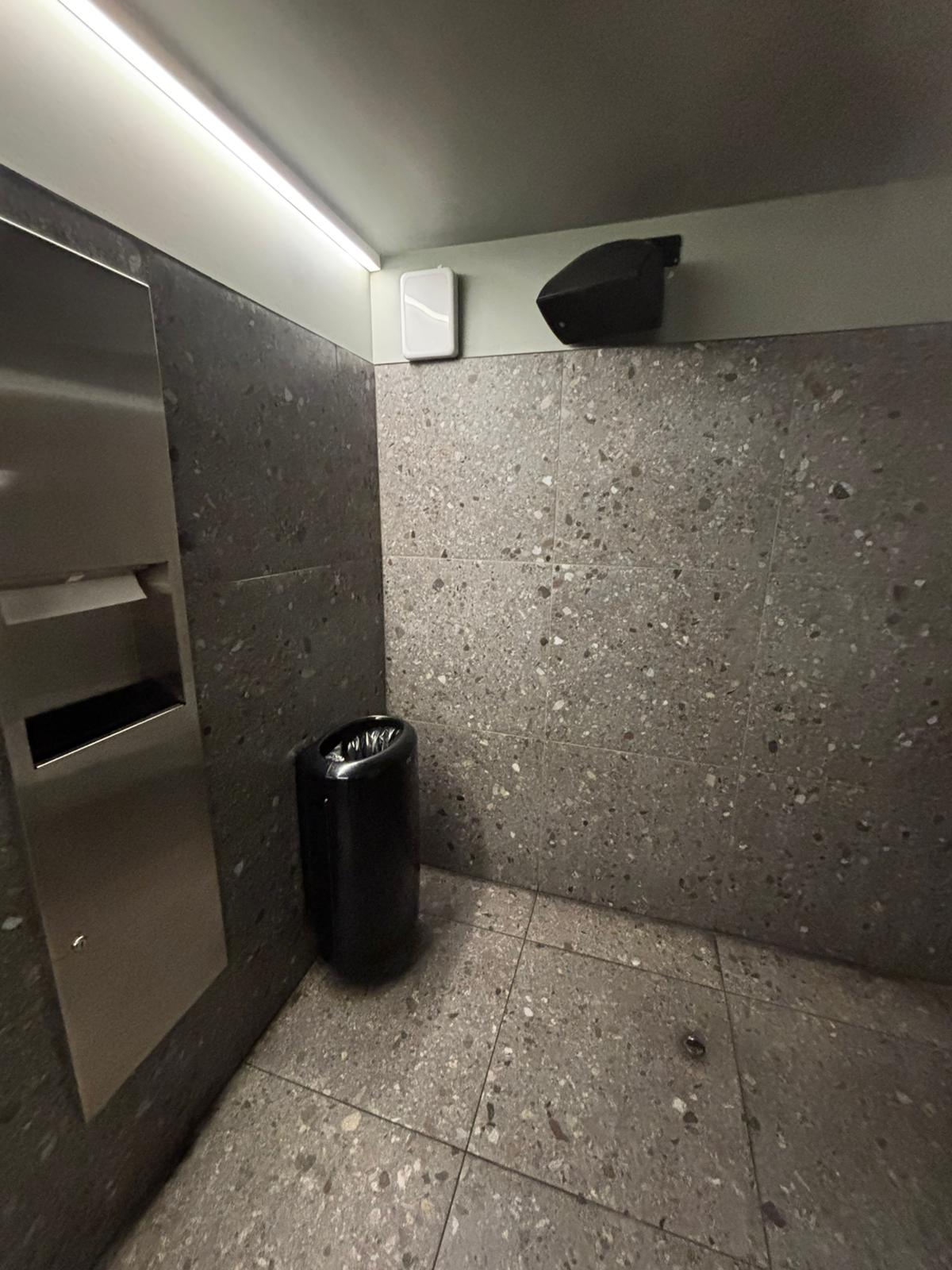
SCENTSEA P01 battery-operated scent diffuser with 500ml capacity and 100-150 m² rated coverage.
P01 is listed as a battery operated scent diffuser with a plastic housing, 500ml capacity and coverage of 100-150 m² / 300-500 m³ / 1000-1600 ft². Its power supply is 5V, and it can run on 4 pcs D batteries or Type-C. Power is 2.5W, noise is below 35dB, net weight is 0.55kg and product size is H168 x L240 x W50MM. It is available in white and black. The listed applicable industries are toilet and elevator.
For buyers, the 500ml capacity is the main practical advantage. It supports longer intervals between refills than a smaller tank, which can matter in public toilets or elevator groups where maintenance access is limited to certain hours. The trade-off is the larger body: 240mm length and 0.55kg net weight require a suitable installation point. P01 is not a high-output lobby machine; it is a compact battery-operated unit intended for the coverage class and applications listed above.
SCENTSEA P03: Compact 150ml Battery-Operated Scent Diffuser
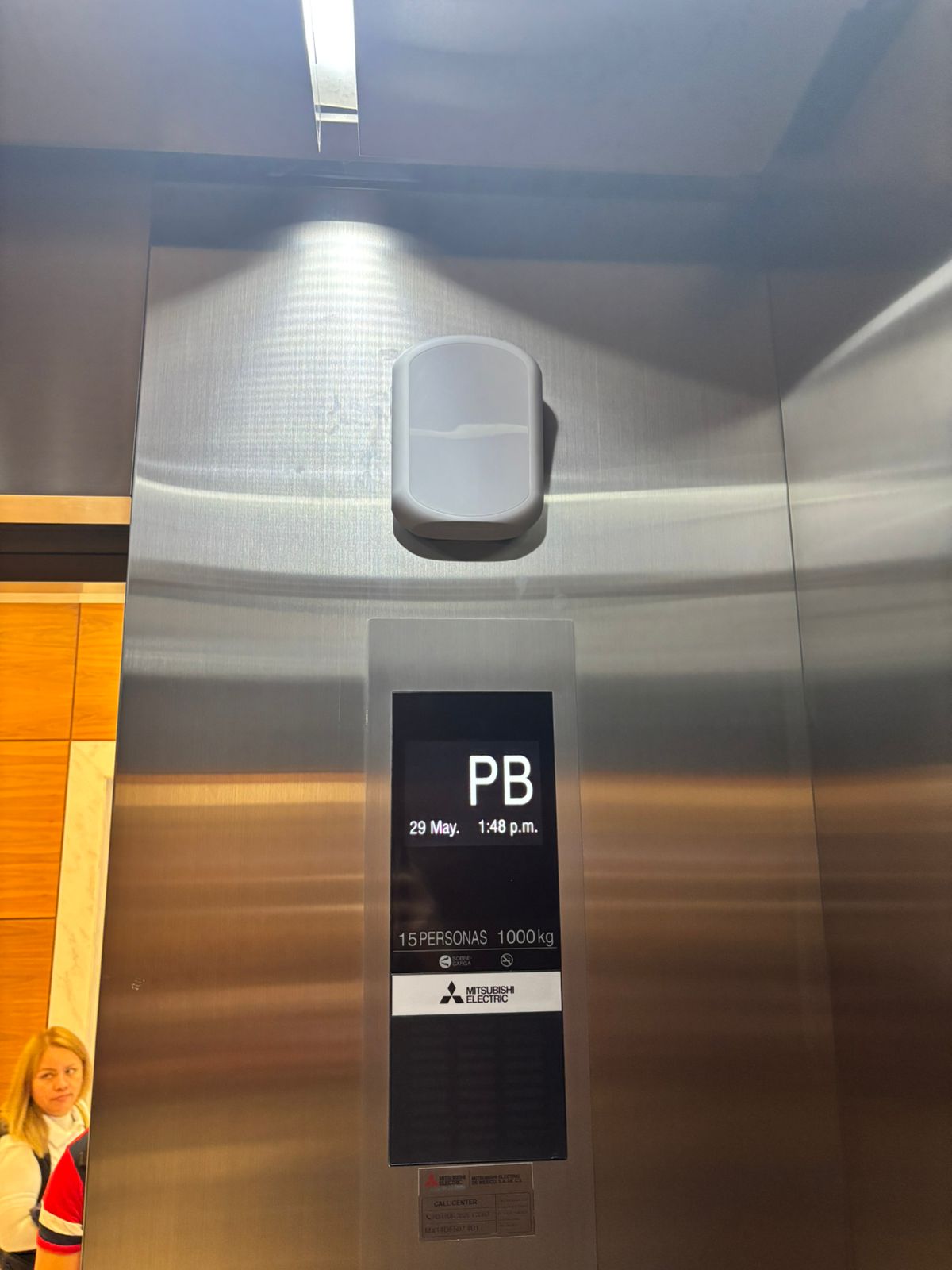
SCENTSEA P03 battery-operated scent diffuser with 150ml capacity and a compact housing.
P03 is listed as a battery operated scent diffuser with a plastic housing, 150ml capacity and coverage of 100-150 m² / 300-500 m³ / 1000-1600 ft². Its voltage is 5V, and it can run on 3 pcs D batteries or Type-C. Power is 2.5W, noise is below 35dB, net weight is 0.35kg and product size is L132 x W58 x H176MM. It is available in white or black. The listed applicable industries are toilet, elevator, corridor and small shops.
The P03 trade-off is the opposite of P01. The 150ml capacity means more frequent refills than P01, but the 0.35kg net weight and compact 132 x 58 x 176mm body make it easier to place where space is tight. For small toilets, elevator cabs, elevator lobbies, corridors and small shops, P03 can be a better physical fit. Because both models share the same rated 100-150 m² coverage class, the decision should not be based on coverage alone. Installers should confirm the mounting location, refill routine and actual airflow before selecting between them.
Why Plastic Construction, 5V Rated Voltage and 100-150 m² Coverage Matter
Plastic construction keeps the P01 and P03 housings lightweight: 0.55kg for P01 and 0.35kg for P03. In toilet and elevator environments, lower weight and a compact body can make placement and routine handling easier. The plastic housing also aligns with the product positioning as a compact battery-operated unit rather than a heavy metal commercial scent diffuser for a large lobby.
The 5V rated voltage is matched to the available power options. P01 uses 4 pcs D batteries or Type-C; P03 uses 3 pcs D batteries or Type-C. This gives facility teams a choice between battery replacement and Type-C supply depending on the installation. The 2.5W power rating and below-35dB noise level are relevant in quiet washrooms and elevator areas because the unit is not intended to create mechanical distraction.
The 100-150 m² coverage rating is a planning figure, not a guarantee for every room. Actual scent distribution depends on ceiling height, ventilation rate, partitions, door opening frequency and odor load. In a small toilet with strong extraction, the effective coverage may be different from a closed elevator lobby. Buyers should start with moderate intensity, test the space and adjust placement rather than assuming the maximum rating will fit every layout.
Compliance and Documentation for P01 and P03
SCENTSEA states that all diffuser models are CE, RoHS and FCC certified. Model-level certification records list FCC, RoHS and EMC documentation for the P01 and P03 model family. The FCC record lists FCC Part 15 Subpart B:2023, the RoHS record lists RoHS Directive (EU) 2015/863, and the EMC record lists EN IEC 55014-1:2021, EN IEC 55014-2:2021, EN IEC 61000-3-2:2019/A1:2021 and EN 61000-3-3:2013/A2:2021. These are documentation facts for the model family; buyers should still confirm that the certificate and test report match the exact production model, configuration and destination market before ordering. For EU projects, check applicable CE and RoHS documents. For US projects, check applicable FCC compliance. For any wireless configuration, confirm whether additional radio requirements apply to that specific version.
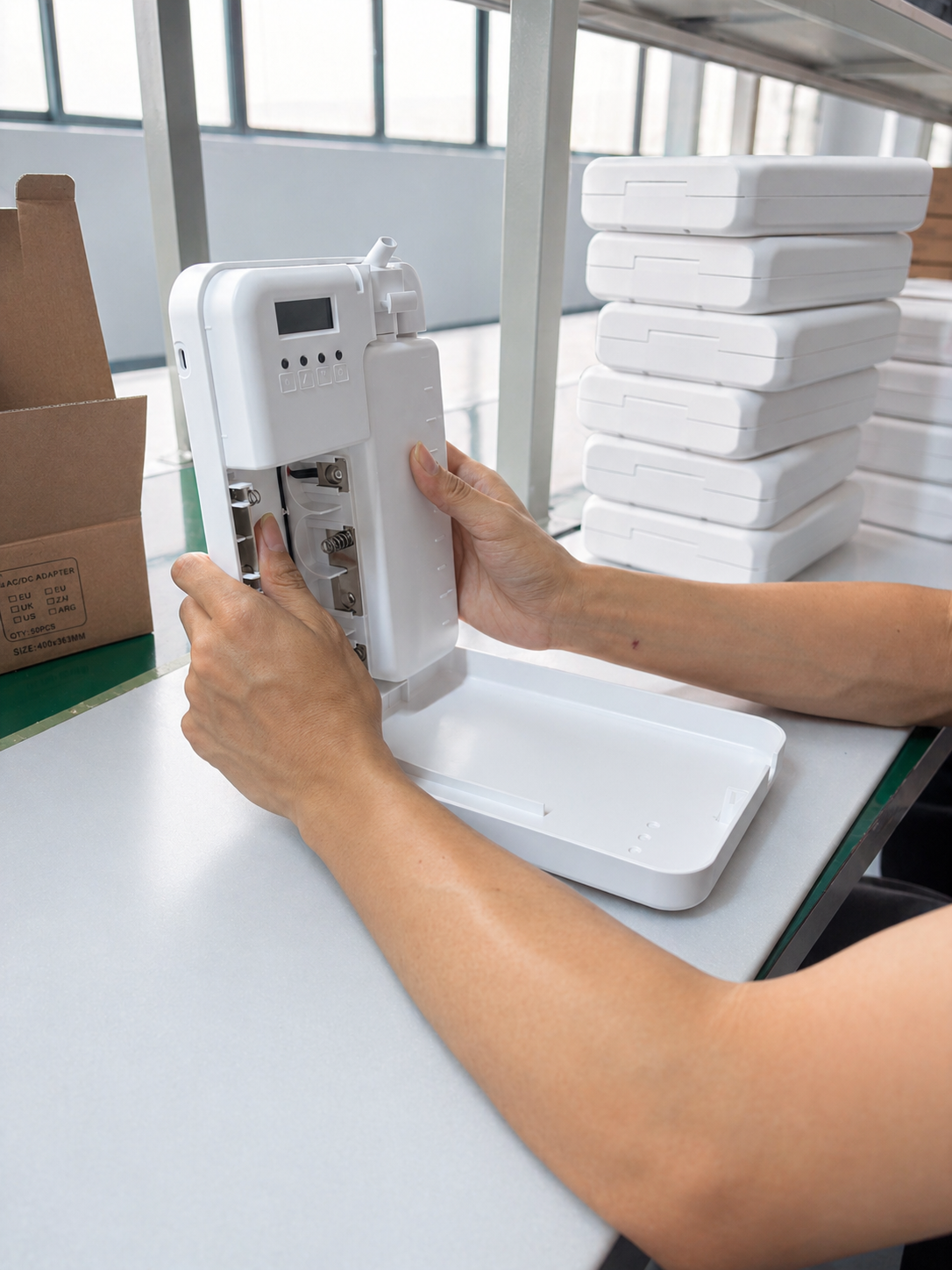
Product testing at SCENTSEA. The company states that each diffuser is checked before shipment through functional testing, aging test and leakage inspection.
Quality control is part of the evaluation, not a separate paperwork exercise. SCENTSEA describes 100% functional testing, atomization testing, leakage inspection, noise testing, APP/control testing, a 48-hour aging test and final appearance inspection before shipment. For a toilet or elevator project, the relevant checks are atomization consistency, leakage risk, noise level and stable operation under the intended schedule. A sample test is the practical way to confirm these points before a bulk order.
Where does this fit in the wider SCENTSEA range? For larger spaces or projects with available wiring, the company also offers HVAC scent diffuser systems, floor standing scent diffuser models, commercial scent diffuser units, wall mounted scent diffuser formats, plug in scent diffuser options, electric scent diffuser models, smart scent diffuser controls, app controlled scent diffuser features, metal scent diffuser housings and home scent diffuser models. This article keeps the focus on P01 and P03 because the assigned problem is toilets and elevators, where battery operation and compact plastic housings matter more than high output.
Step-by-Step Breakdown: Selecting and Setting Up P01 or P03
The following process is written for facility managers, distributors and project buyers who need a repeatable way to evaluate a toilet scent diffuser or elevator scent diffuser. It uses the P01 and P03 facts above and the general installation guidance from SCENTSEA's FAQ material.
- Define the actual space. Measure the toilet room, elevator cab or elevator lobby and note ceiling height, partitions, door opening frequency and ventilation. Confirm whether the area is one open space or several smaller zones. The rated 100-150 m² coverage should be treated as a starting point, not a substitute for a site check.
- Check power and maintenance access. Confirm whether a Type-C supply is practical or whether batteries are the better choice. P01 uses 4 pcs D batteries or Type-C; P03 uses 3 pcs D batteries or Type-C. Decide who will replace batteries, how often the space can be accessed and whether the unit will be mounted, placed on a shelf or positioned in a service area.
- Choose P01 or P03 by capacity and size. Select P01 when the 500ml capacity and longer refill interval are more important than the larger 240mm body. Select P03 when the compact 132 x 58 x 176mm body and 0.35kg net weight are more important than the 150ml capacity. Both are rated for the same coverage class and both list toilet and elevator applications.
- Select a suitable location. Place the diffuser upright in a secure position with unobstructed airflow. Do not block doors, sensors, emergency equipment or cleaning access. In elevators, follow the building operator's rules for equipment placement and keep the unit away from areas where it could be struck or tampered with.
- Fill with compatible fragrance oil. Use compatible waterless fragrance oil and avoid overfilling. Keep fragrance oil away from electronic components. The general SCENTSEA guidance is to keep the diffuser upright, use the correct power supply and follow the model-specific installation and cleaning instructions.
- Set a moderate starting intensity. Start with a moderate schedule and scent intensity, then observe the space during normal traffic. A toilet with strong extraction may need a different setting from a closed elevator lobby. Adjust according to actual odor load, airflow and visitor feedback rather than turning the unit to maximum immediately.
- Test and adjust. Run the unit through a normal operating cycle. Check atomization, noise, leakage and coverage. If the scent is too strong in one spot, adjust placement or intensity. If it is weak, check airflow and the oil level before changing the unit.
- Plan routine checks. Check the oil level and atomization performance regularly. Clean the atomizer and follow the model manual. For battery operation, set a replacement schedule that matches actual use so the unit does not stop between maintenance visits.
- Verify compliance and samples before bulk order. Confirm the exact model, certification documents and destination market. Request a sample of P01 or P03 and test it in the intended toilet or elevator environment before committing to a larger order.
Decision rule: If refill access is limited and the installation space can accept a larger body, evaluate P01 first. If the installation point is tight and the maintenance team can handle more frequent refills, evaluate P03 first. If the space is larger than the rated coverage class, do not force a small battery unit into the project; evaluate a larger commercial scent diffuser or HVAC scent diffuser configuration instead.
Use Cases: Where P01 and P03 Fit
Public Restrooms in Hotels, Offices and Shopping Malls
Public restrooms are a common toilet scent diffuser application because odors are noticed immediately and the space is often visited by many people. P01 is a practical candidate where the 500ml capacity can reduce refill frequency in a busy washroom. P03 is a practical candidate for smaller washrooms, individual cubicle areas, corridor-adjacent restrooms or service toilets where the compact body is easier to place. In hotel scent diffuser programs, the restroom unit should support the overall scent identity without becoming overpowering. In shopping mall scent diffuser projects, maintenance access and consistent operation are usually more important than maximum output in a small restroom.
Elevator Cabs and Elevator Lobbies
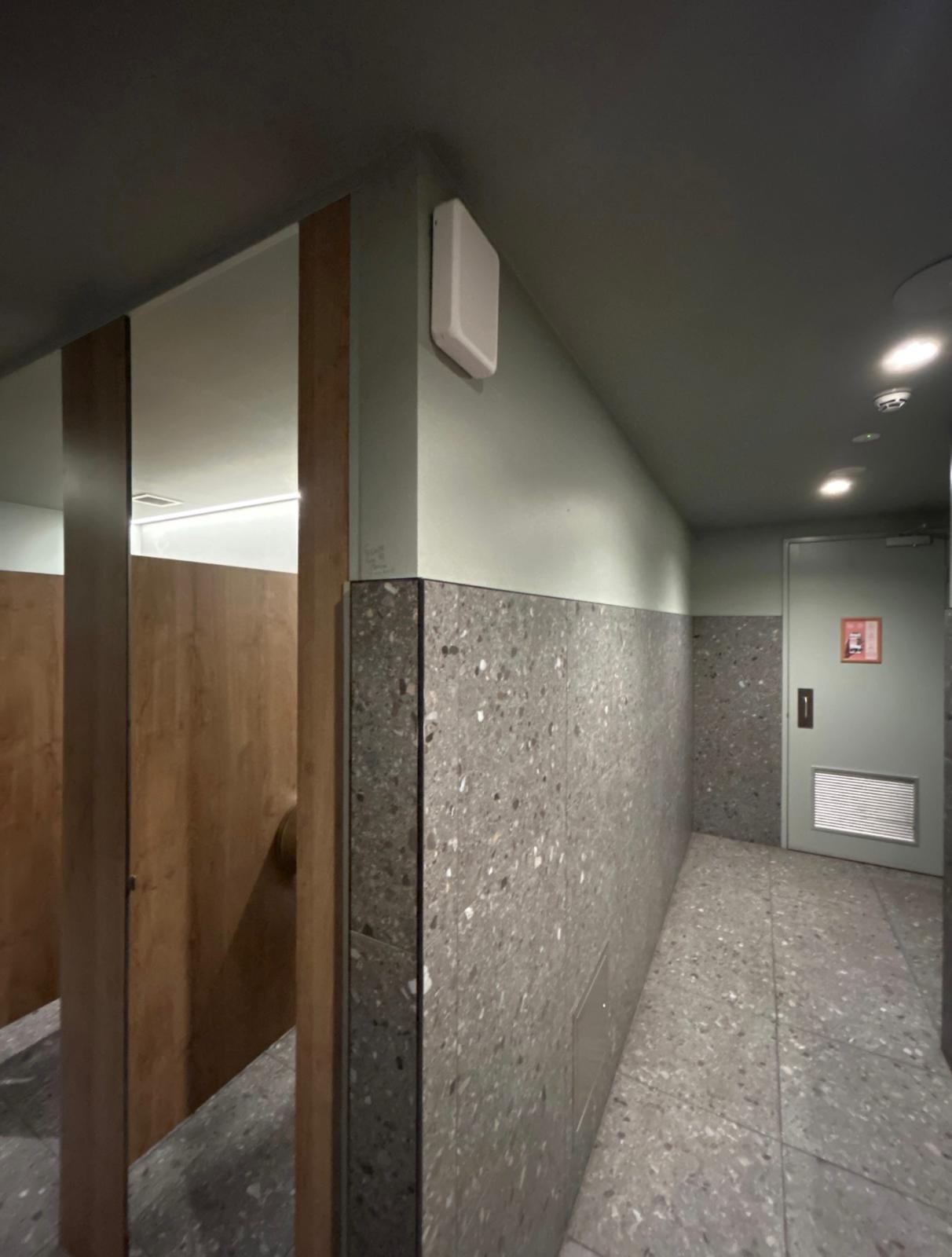
Elevators create a specific odor-control challenge because air is recirculated and the space is enclosed. P03 is the more compact elevator scent diffuser option, with a 0.35kg net weight and a 132 x 58 x 176mm body. P01 can be considered where a larger 500ml capacity is useful and the installation point can accept the 240mm length. In both cases, placement should avoid doors, sensors and passenger contact. The below-35dB noise level is relevant because elevator cabs are quiet. The unit should be tested in the actual cab or lobby because airflow and door cycles change how fragrance moves.
Corridors and Small Shops
P03 lists corridor and small shop applications in addition to toilet and elevator. This makes it useful for small retail units, service corridors and back-of-house areas where a compact battery-operated unit is preferred over a wired commercial scent diffuser. P01 is better reserved for the toilet and elevator applications listed in its product data unless a project-specific assessment supports another use. For larger retail floors, a commercial scent diffuser or HVAC scent diffuser is a more appropriate category than a compact battery unit.
Facilities With Limited Wiring
Many toilet and elevator areas are difficult to wire because of building rules, surface materials or disruption during installation. A portable scent diffuser with battery operation can be installed without adding a new power point. P01 and P03 both offer Type-C as an alternative to D batteries, so the facility team can choose the power method that fits the maintenance routine. This is not a reason to skip electrical safety checks; it is a reason to match the power method to the actual installation.
Projects That Need a Larger Format
If the space is a large hotel lobby, a shopping mall concourse or a multi-room office floor, the P01 and P03 coverage class may not be the right fit. In those cases, SCENTSEA's wider range includes HVAC scent diffuser systems for centralized projects, floor standing scent diffuser models for large public areas, commercial scent diffuser units for medium and large spaces, and wall mounted or plug in formats where wiring is available. The key is to choose the format after defining the space, airflow and maintenance model, not before.
Comparison Table: P01 vs P03 Battery-Operated Scent Diffusers
| Specification | SCENTSEA P01 | SCENTSEA P03 |
|---|---|---|
| Product type | Battery operated scent diffuser | Battery operated scent diffuser |
| Material | Plastic | Plastic |
| Capacity | 500ml | 150ml |
| Coverage | 100-150 m² / 300-500 m³ / 1000-1600 ft² | 100-150 m² / 300-500 m³ / 1000-1600 ft² |
| Voltage | 5V | 5V |
| Power supply | 4 pcs D batteries or Type-C | 3 pcs D batteries or Type-C |
| Power | 2.5W | 2.5W |
| Noise | <35dB | <35dB |
| Net weight | 0.55kg | 0.35kg |
| Product size | H168 x L240 x W50MM | L132 x W58 x H176MM |
| Color | White, black | White, black |
| Applicable industries | Toilet, elevator | Toilet, elevator, corridor, small shops |
| Compliance statement | CE, RoHS and FCC per SCENTSEA company profile; FCC, RoHS and EMC model-family documentation listed | CE, RoHS and FCC per SCENTSEA company profile; FCC, RoHS and EMC model-family documentation listed |
Table facts are taken from SCENTSEA product and certification data. Coverage ratings are planning figures and depend on actual room conditions. Confirm the exact model and market-specific documents before ordering.
FAQ: Toilet and Elevator Scent Diffuser Evaluation
Are P01 and P03 battery-operated scent diffusers compliant for EU and US projects?
SCENTSEA states that all diffuser models are CE, RoHS and FCC certified. Model-level certification records list FCC, RoHS and EMC documentation for the P01 and P03 model family. Certification requirements depend on the destination market, product model and any wireless functions, so buyers should confirm that the certificate and test report match the exact production model and configuration before ordering. For EU projects, applicable CE and RoHS documents should be checked; for US projects, applicable FCC compliance should be verified.
Can P01 and P03 handle both toilet and elevator odor control?
Yes, both models list toilets and elevators among their applicable industries. P01 has a 500ml capacity and P03 has a 150ml capacity; both are rated for 100-150 m² coverage, use a plastic housing, operate at 5V rated voltage and have a noise level below 35dB. P03 also lists corridors and small shops. Rated coverage is a planning guide, so installers should adjust placement and intensity to the actual airflow, ceiling height, partitions and odor load.
What budget factors affect P01 and P03 selection?
Budget should be evaluated as total operating cost, not only unit price. The main variables are model capacity, battery type and replacement frequency, fragrance oil consumption, maintenance access, order quantity, packaging and any OEM/ODM customization. P01 offers 500ml capacity, while P03 offers 150ml capacity; the right choice depends on refill intervals and the number of units required. Request a quote with the model, quantity, fragrance oil, packaging and destination so the commercial terms are comparable.
Can I request samples of P01 and P03 before ordering?
SCENTSEA provides diffuser samples and fragrance oil samples for quality verification. MOQ starts from 1 piece for diffusers, so buyers can request a sample unit before bulk ordering. Sample testing should check atomization, noise, leakage, battery or Type-C operation and suitability for the actual toilet or elevator space. Confirm that the sample configuration and the production configuration match before placing a bulk order.
What is the lead time for P01 and P03 orders?
Standard lead time is 25-35 days, with monthly capacity of 8,000 units. Customized orders, such as logo, color, packaging or user manual changes, should be scheduled separately. To move from evaluation to a sample or quote, contact SCENTSEA with the model, quantity, destination and required certification documents; the team can confirm the current schedule and next steps.
Conclusion: Match the Battery Option to the Space, Not the Hype
Toilet and elevator odor control is a space-specific problem. The right scent diffuser should fit the installation point, run without unnecessary wiring, stay quiet and be easy to maintain. SCENTSEA P01 and P03 are battery operated scent diffusers with plastic housings, 5V rated voltage and 100-150 m² rated coverage. P01 brings 500ml capacity and a larger body; P03 brings 150ml capacity in a compact 0.35kg body. Both list toilets and elevators as applicable industries, and both can be tested with samples before a bulk order.
The final decision should be based on the actual room, airflow, refill access and certification requirements. If the space is larger than the rated coverage class or requires centralized distribution, evaluate a commercial scent diffuser or HVAC scent diffuser instead. If the project needs a small-format portable scent diffuser for a toilet, elevator, corridor or small shop, P01 and P03 are practical models to include in the shortlist.
Next Step: Sample, Quote or Catalog
For a P01 or P03 sample, a project quote or the full SCENTSEA catalog, contact Shenzhen Scentsea Technology Co., Ltd. with your space details, quantity and destination market. Email: jimmy@scent-sea.com. WhatsApp: +86 19928719703. Website: https://www.scent-sea.com/. Catalog: SCENTSEA CATALOG.pdf.
SCENTSEA P01 battery-operated scent diffuser. Contact SCENTSEA for samples, quotes and the catalog.
Have Questions or Need More Details?
Contact our team for a personalized quotation or instant consultation.
Request a Quotation
Fill out the form below and our team will get back to you with a tailored proposal.
WhatsApp Direct Chat
Prefer to chat in real-time? Message us on WhatsApp for instant assistance & quick answers.
- Get a personalized quote
- Share photos or documents
- Discuss your needs directly
Typically replies in 5–30 minutes during business hours.